Treatment for infected, inflamed, and failing dental implants, including second opinions on implants placed elsewhere.
Peri-implantitis is inflammation around a dental implant that has spread from the gum into the supporting bone. It starts as peri-implant mucositis, which affects only the soft tissue and is reversible, and it is the most common reason implants fail years after they were placed successfully.
Dr. Pan is a prosthodontist in Wilmington who assesses and treats peri-implant disease, including implants placed by other practices, in other states, or many years ago. If you have been reading about the warning signs and recognize one, this is where the reading stops and the answer starts: an examination and an X-ray, usually in a single visit, that tell you which stage you are in and what your options are.
The stage decides everything. Caught as mucositis, treatment is a thorough cleaning and a corrected home routine. Once bone is involved, the goal becomes stopping the loss and keeping the implant. Waiting moves you from the first conversation to the second.
The first visit answers one question: is this confined to the soft tissue, or has bone been lost? Dr. Pan examines the tissue around the implant, gently probes to check for bleeding and pocket depth, checks whether the implant or the crown on it is moving, and takes an X-ray.
If you have records from the practice that placed or restored the implant, bring them or have them sent. An X-ray from the day the crown went on is the baseline that shows whether bone has changed since. Without one, Dr. Pan reads the current image against what is expected for that implant, and this visit becomes the baseline for every check after it.
You leave knowing the stage, the likely cause, and your options in plain language, with a written plan and costs before any treatment is booked. Our guide to how peri-implantitis is diagnosed explains each step in more detail.
Treatment follows the stage, and the stage follows the X-ray. For the detail behind each option, see how peri-implantitis is treated and the difference between peri-implant mucositis and peri-implantitis.
Cleaning an infected implant without removing the reason it got infected is how peri-implantitis comes back. Many of the most common causes sit in the restoration, the part a prosthodontist specializes in, rather than in the implant itself.
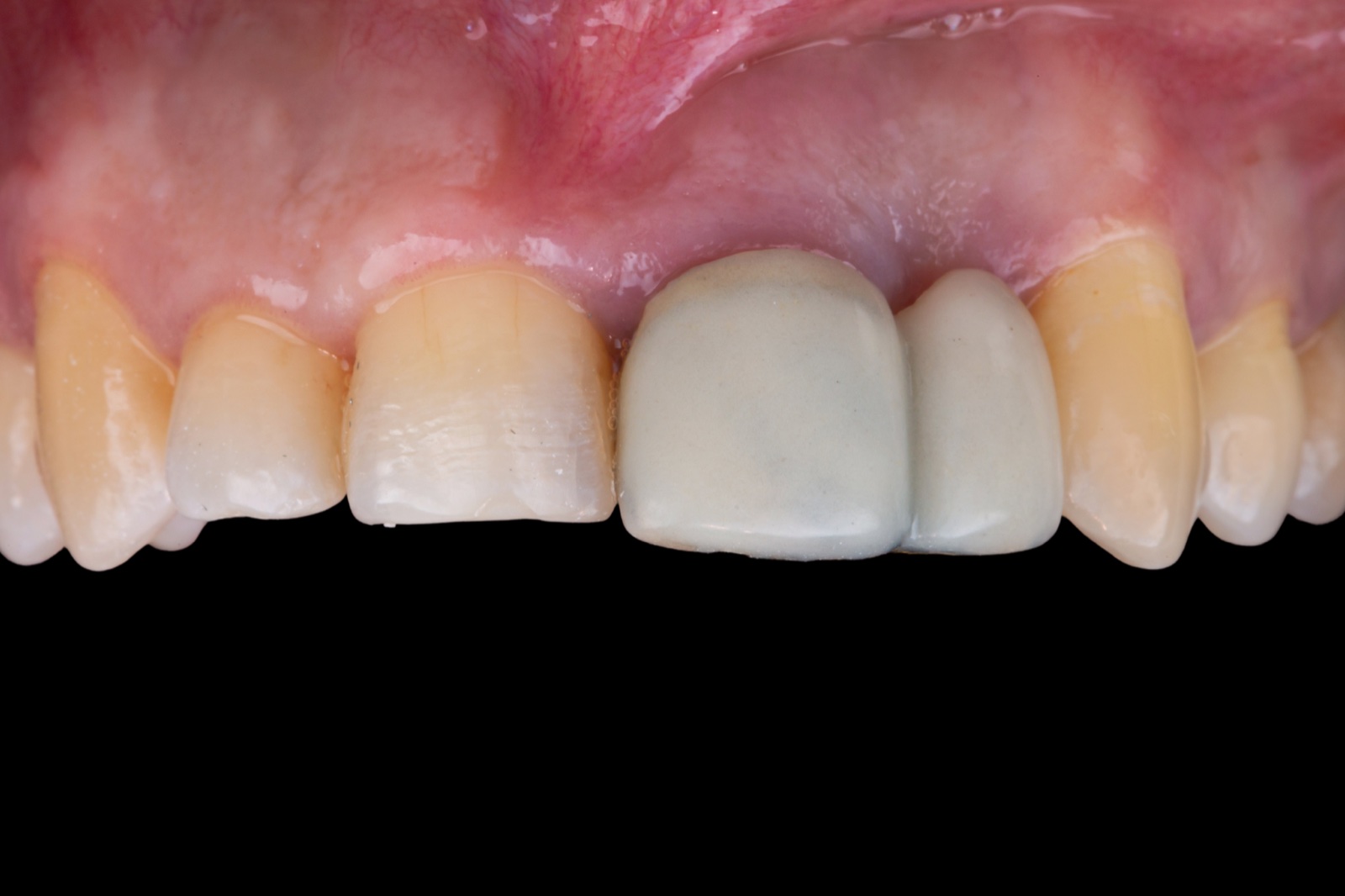
When the crown or bridge is driving the infection, Dr. Pan can remake it, often as a screw-retained crown, which uses no cement and can be removed for cleaning. Much of that work is done in our own lab. Our article on what causes peri-implantitis ranks the risk factors by how much each one matters.
Many of the implants we evaluate were placed somewhere else: another practice in town, a clinic in another state, or a dentist who has since retired. Some patients have been told their implant is failing and want to know whether it really is. Others have been told it is fine and do not believe it.
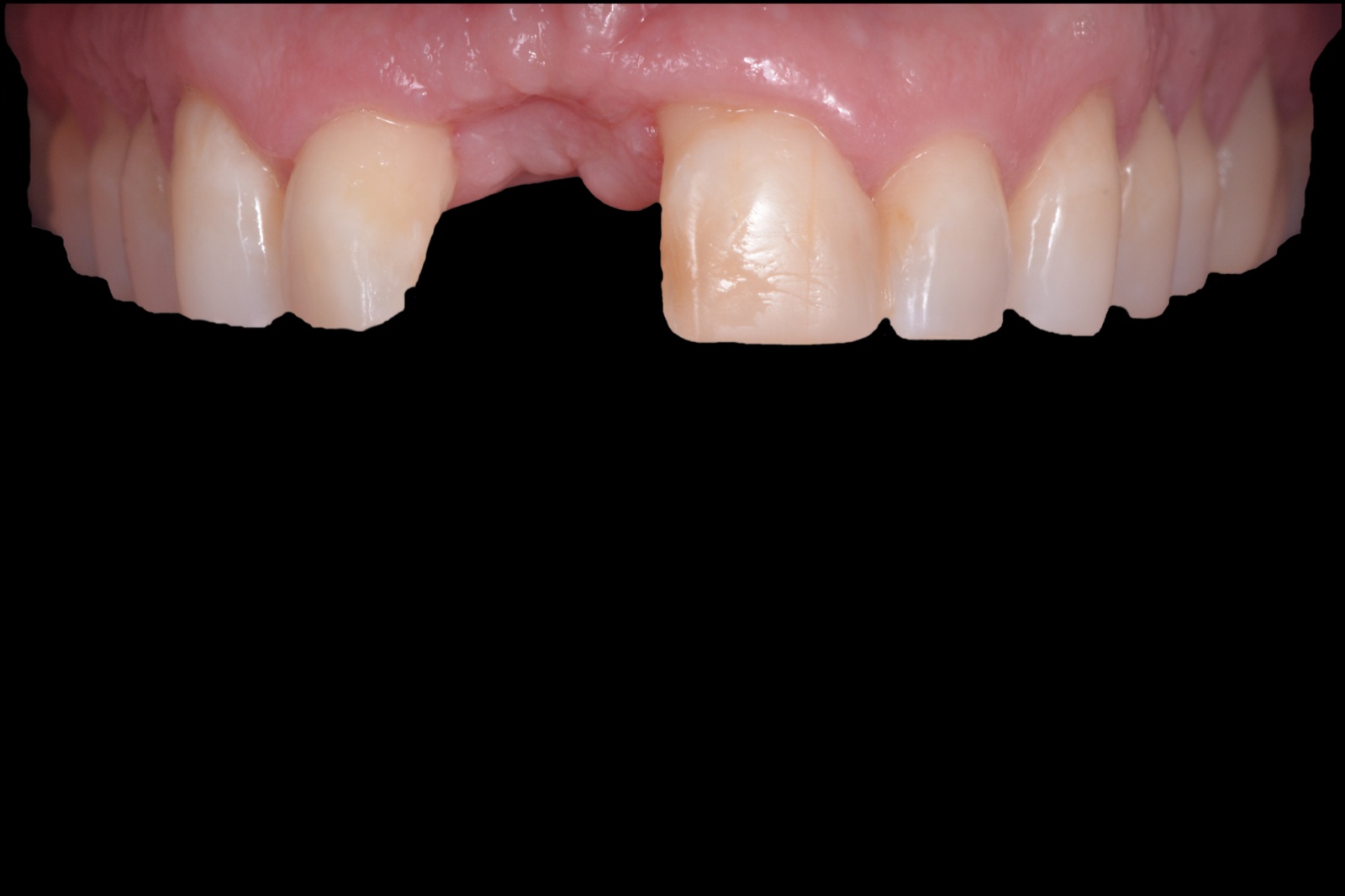
Either way, a second opinion here is an evaluation, not a sales pitch. Dr. Pan looks at the implant, the crown, your X-rays, and any records you can bring, and tells you what she sees. Sometimes the answer is that the implant is stable and the gum needs care. Sometimes the crown needs remaking. Sometimes the implant should come out, and the earlier that is decided, the more bone remains for the next one.
Not every problem is peri-implantitis, either. A loose crown is not a loose implant, and the two have very different fixes. Our guide to the signs of dental implant failure explains how to tell early problems from late ones.
Cost follows the stage. Caught as mucositis, treatment costs about what a thorough hygiene visit costs. Non-surgical treatment of peri-implantitis costs more, surgical treatment with grafting runs into four figures per implant in most practices, and removing and replacing an implant is the most expensive route of all. That is the practical argument for an early evaluation.
We are a fee-for-service practice and not in-network with dental insurance plans, but we provide the paperwork for you to submit a claim. Coverage for peri-implant treatment varies widely: some plans treat it under periodontal benefits and others exclude anything implant-related, so check your plan. Financing is available through CareCredit, Proceed Finance, Klarna, and Affirm. See payment and financing options.
After treatment, the routine that keeps an implant stable is unglamorous: a soft brush twice a day, an interdental brush or water flosser sized for the space around the implant, and maintenance visits at the interval Dr. Pan sets, often every three or four months rather than six. Our guide to maintaining dental implants covers the daily routine.
If an implant does need replacing, see dental implants in Wilmington for how Dr. Pan plans a replacement from the final tooth backwards.
Most patients know where they stand after the first visit. Here is how it usually goes.
An exam, gentle probing, and an X-ray to establish whether bone is involved. Bring any records you have from the practice that placed the implant.
The stage, the likely cause, and your options in plain language, with a written plan and costs before anything is booked.
Cleaning and decontamination, correction of the restoration, or surgical treatment coordinated with a specialist, depending on the stage.
A re-check to confirm the tissue has responded, then a recall schedule set to keep the implant stable.
Implants fail at the restoration as often as at the root. Dr. Pan is a prosthodontist, trained for three years at UCSF in designing the crowns, bridges, and full arches that implants carry, so she can see when the restoration is the cause and fix it, rather than cleaning an implant that will only become infected again.
Book an Implant EvaluationPatients travel to our Oleander Drive office from across southeastern North Carolina and the South Carolina border. Peri-Implantitis Treatment is available to every community we serve: