
A permanent replacement for missing teeth that looks, feels, and functions like the real thing.
A dental implant is a small titanium post that takes the place of a missing tooth root. It is placed in the jawbone, where the bone gradually fuses to its surface — a process called osseointegration — creating a foundation strong enough to carry a crown, a bridge, or a full arch of teeth.
That foundation is what separates implants from every other tooth replacement. A denture rests on the gums. A traditional bridge leans on the teeth beside the gap. An implant stands on its own, anchored in bone, which is why it feels less like an appliance and more like a tooth.
It helps to think of an implant as three parts: the implant itself in the bone, an abutment that connects through the gum, and the restoration — the visible crown or bridge. Dr. Pan is a prosthodontist, which means she designs and places that restoration: the part you see, bite with, and live with every day.
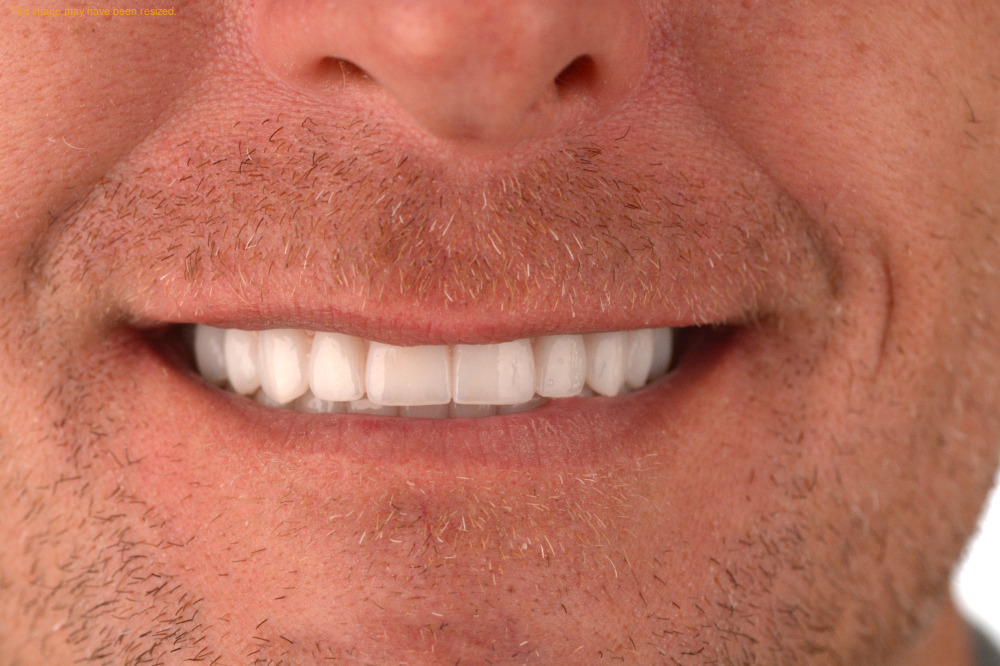
Implants are not a single procedure. The right approach depends on how many teeth are missing, how much bone is available, and what you want the result to do for you.
Placing an implant is surgery. Making it look and function like a tooth is prosthodontics — and the second part is where results are won or lost. A perfectly placed implant with a poorly designed crown still looks wrong, wears unevenly, and can fail early.
Dr. Pan completed a three-year prosthodontic residency at UCSF after dental school, focused specifically on the skills general dentists refer out: planning implant positions around your bite, designing restorations that match your natural teeth, and rebuilding full mouths. She plans the restoration first and works backwards, coordinating with the oral surgeon or periodontist so the implant is placed where the final tooth needs it — not the other way around.
She also does much of the lab work in-office, which means the shape, shade, and fit of your restoration are controlled by the person who designed it. If you are weighing specialists, our guide on the difference between a prosthodontist and a general dentist lays out when the extra training matters.
An implant needs bone to fuse to. When a tooth has been missing for years, the bone that once supported it has usually thinned — the body reabsorbs what it no longer uses. That does not rule out implants; it just adds a step.
A bone graft rebuilds the ridge to a volume that can hold an implant securely, and typically needs several months to mature before placement. A sinus lift does the same job in the upper back jaw, where the sinus floor sits close to where the implant needs to go. Dr. Pan reviews a 3D scan of your jaw at the consultation and tells you plainly whether grafting is part of your plan before you commit to anything.
This is also the honest argument for not waiting. The longer a gap stays open, the more likely grafting becomes — and the more the neighbouring teeth drift. Our article on how missing teeth affect more than your smile covers what changes while a gap goes untreated.
Most implant cases run three to six months from placement to final restoration, and the majority of that time is healing you spend going about your normal life, not sitting in a chair. Bone needs roughly three to four months to integrate with the implant surface; grafting adds to that.
You are not without teeth during the wait. A temporary restoration covers the gap for the healing period, so you leave with something to smile and eat with from the start. Cases that need grafting, multiple implants, or full-arch work take longer, and Dr. Pan gives you a written sequence with real dates at the planning appointment rather than a vague estimate.
Implants carry a higher upfront cost than a bridge or a denture, and a lower lifetime cost than either, because they are not on a replacement cycle. A denture is relined and remade over the years. A bridge is typically replaced once or twice in a lifetime. A well-maintained implant is usually a one-time investment, with only the crown occasionally needing attention.
The honest answer on price is that it depends on the number of implants, whether grafting is needed, and the restoration on top. We do not publish a single figure, because a single-tooth implant and a full-arch reconstruction are not comparable procedures. What we do give you is an itemised written plan after the consultation, before any treatment is booked.
See financing and payment options for how patients spread the cost, and bring your insurance details to the consultation so we can tell you what is likely to be covered.
The implant itself cannot get a cavity. The tissue and bone around it absolutely can get infected, and that — not the titanium — is what causes most implant failures. The condition is called peri-implantitis: inflammation that starts in the gum and, if ignored, progresses into bone loss around the implant.
It is largely preventable. Brush twice daily with a soft brush, clean around the implant with floss, an interdental brush, or a water flosser, and keep your recall appointments so we can catch inflammation while it is still gum-deep. Smoking meaningfully raises the risk of failure.
Know the early warning signs — redness, bleeding when you brush, a bad taste, gum recession, or any sense that the implant has moved. Our detailed guide to the early signs of peri-implantitis explains what to watch for and when to call, and maintaining implants for longevity covers the daily routine.
Dr. Pan also treats failing implants and restorations placed elsewhere. If something already feels wrong, see failed dental work.
Drag each slider to reveal the transformation.
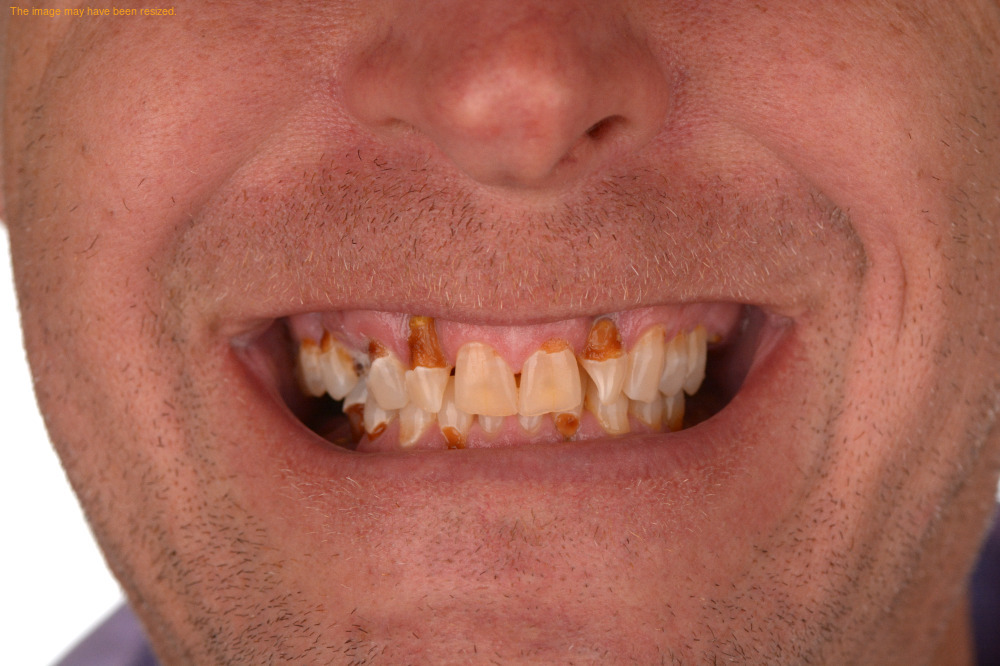
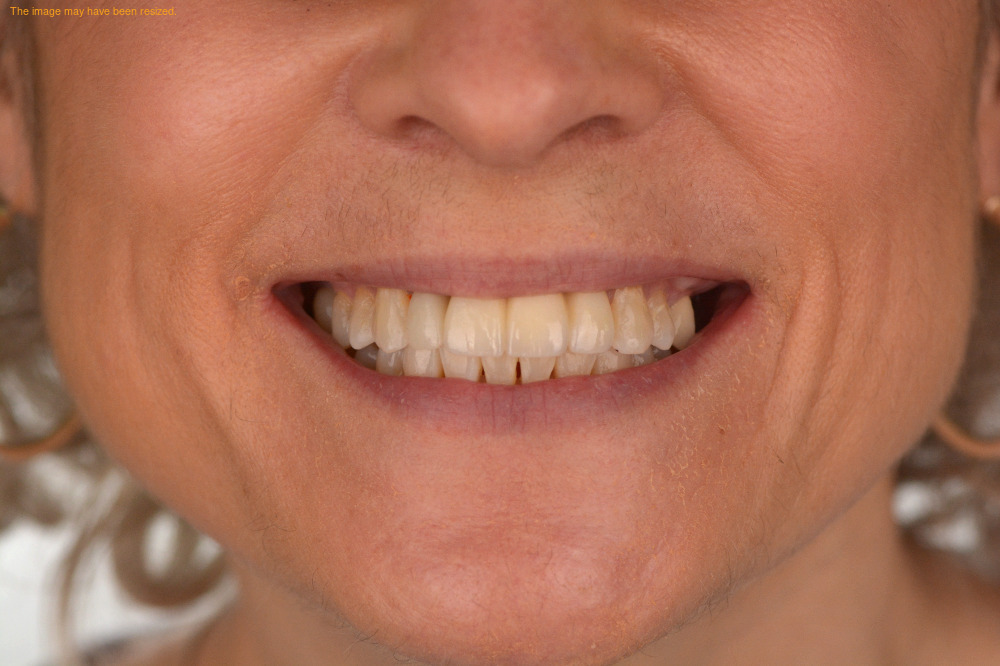
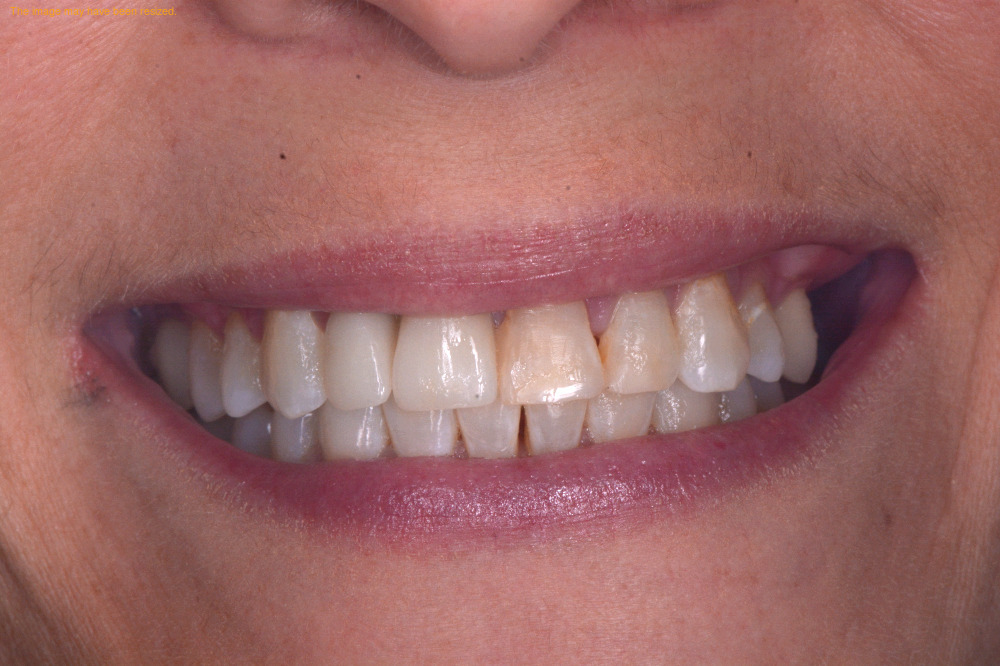
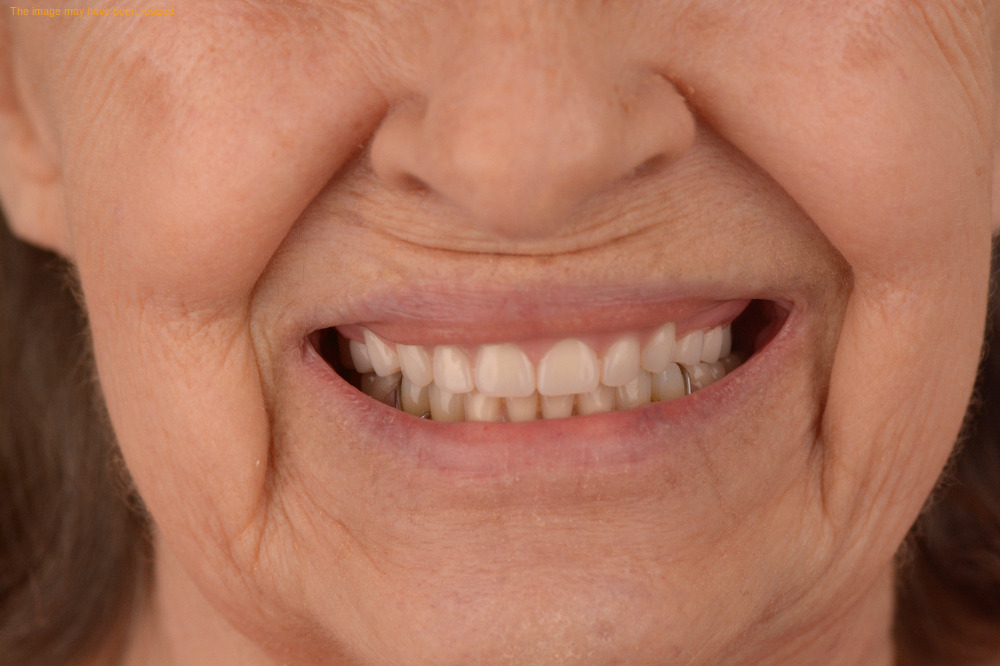
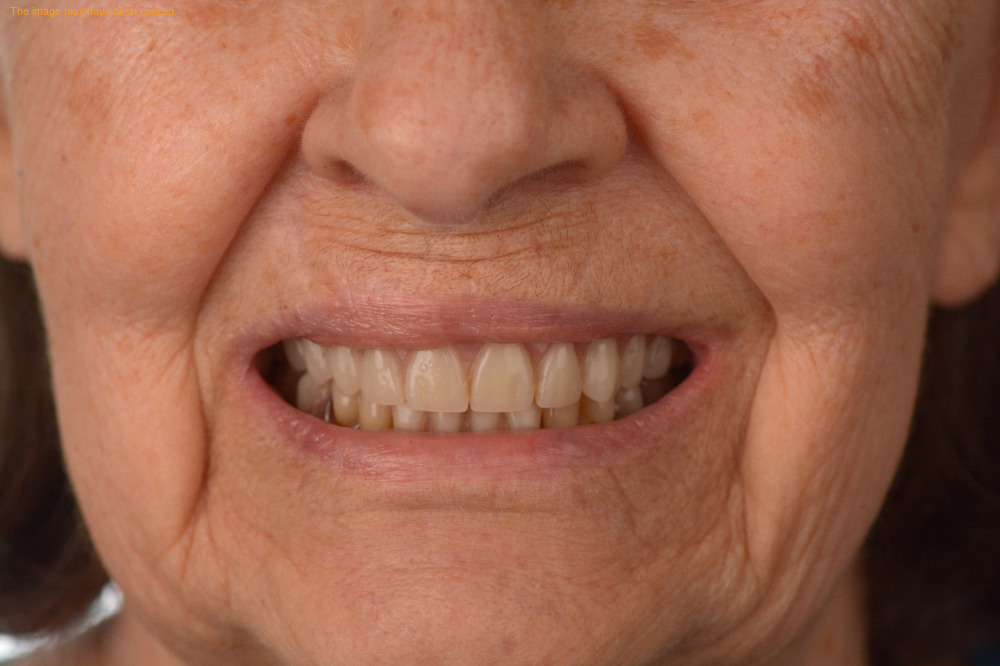
We start with a 3D scan and a conversation about what you want the result to do. Dr. Pan plans the restoration, coordinates placement with a trusted surgeon, keeps you in a temporary while the implant integrates, then designs and fits the final tooth.
A full 1.5 hours. We image your jaw, assess bone volume, review your bite and medical history, and tell you honestly whether implants are the right answer for you.
Dr. Pan designs the final tooth, then maps the implant position to suit it. You get a written sequence, timeline, and itemised cost before anything is booked.
A trusted oral surgeon or periodontist places the implant to Dr. Pan’s plan. You wear a temporary while the bone integrates over three to four months.
Dr. Pan fits, adjusts, and refines the custom crown or bridge until the bite is right and it disappears among your natural teeth.
Dr. Pan plans the finished tooth first, then works backwards to the implant position — coordinating with your surgeon so the hardware ends up where the restoration needs it. She designs every restoration herself and completes much of the lab work in-office, which is why implant crowns from this practice match the teeth beside them.
Schedule a Consultation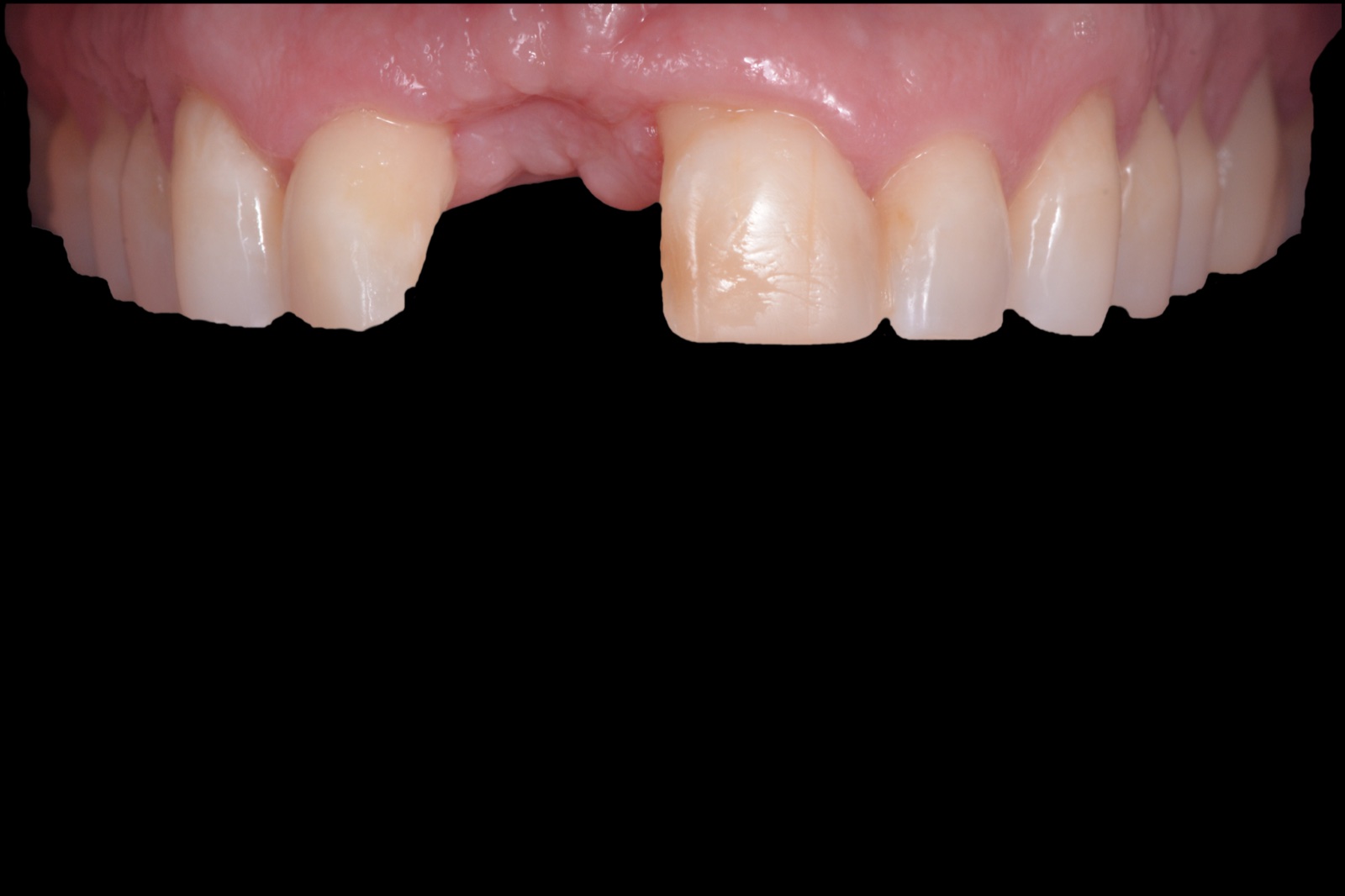
Whether you're missing one tooth or several, Dr. Pan creates natural-looking replacements.
Learn More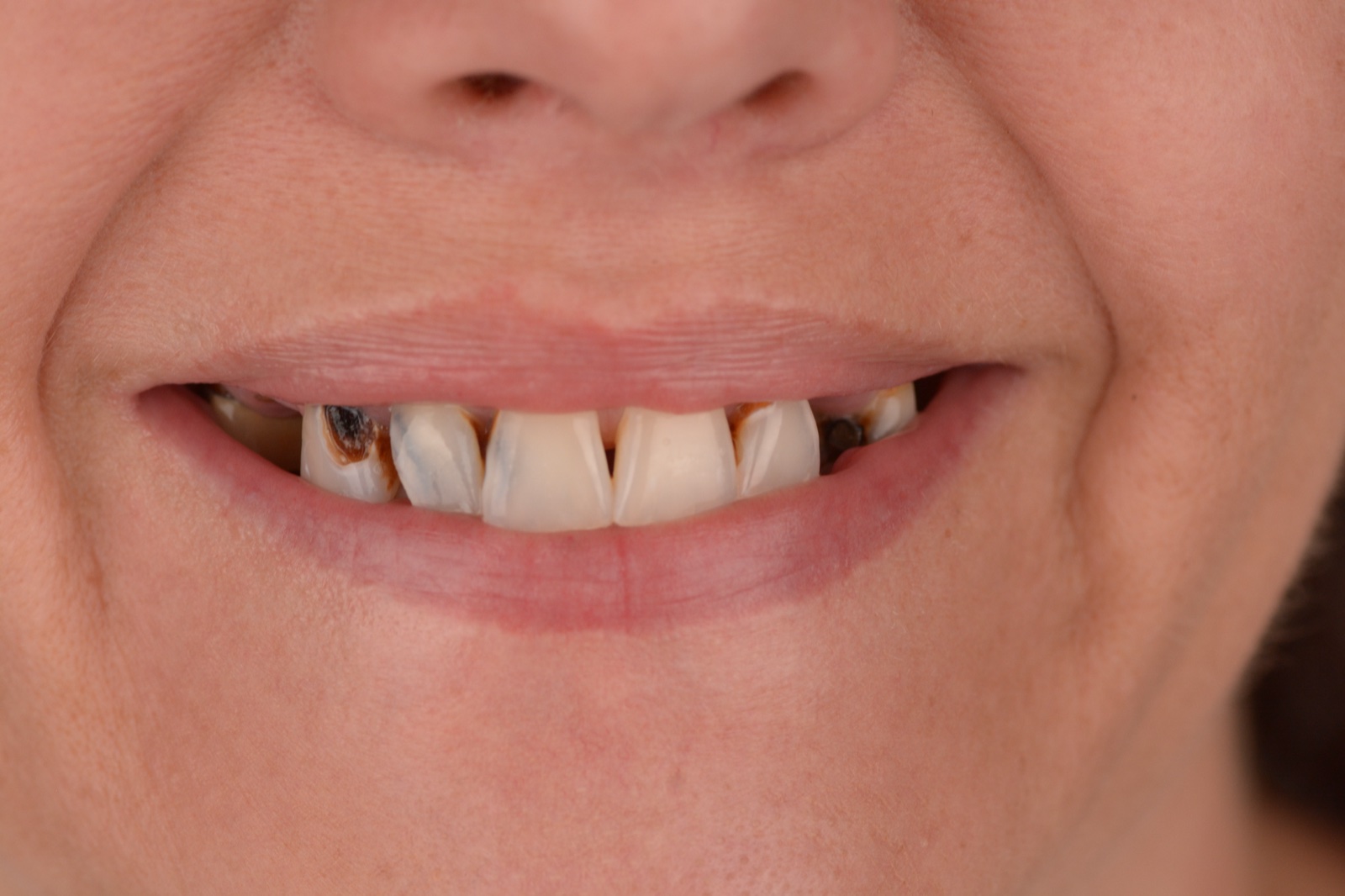
Comprehensive solutions when you're missing many or all teeth.
Learn More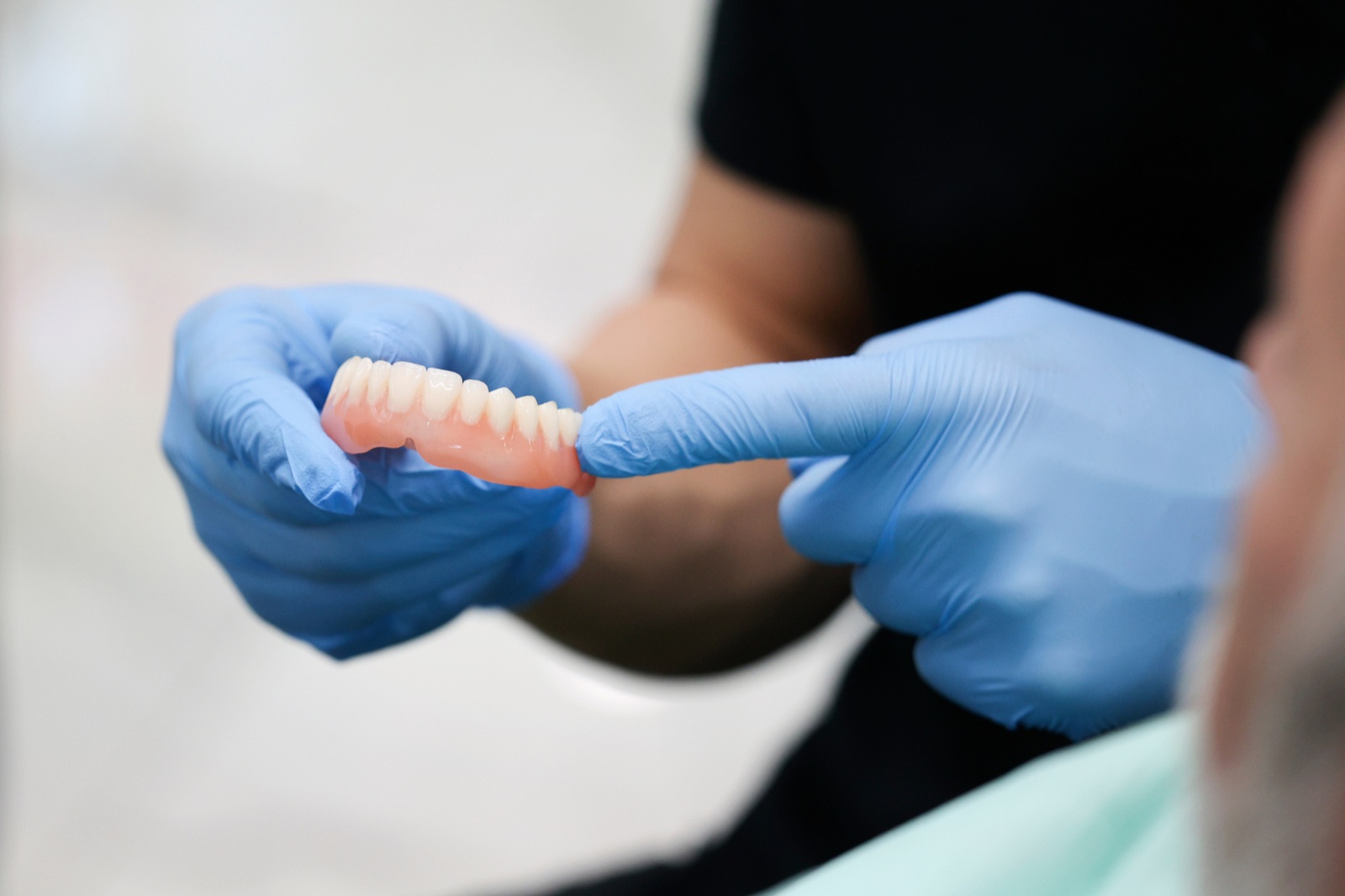
Upgrade to secure, comfortable dentures that stay in place.
Learn More“For over a decade, I was ashamed of my smile. It quietly chipped away at my confidence in ways I didn't even realize. Dr. Pan and Tiffany never once made me feel judged. They were kind, patient, and very informative. Throughout this process (dentures, implants, cavities filled, cleanings, root canals, and bridges) Dr. Pan and Tiffany explained every step clearly. I've regained not only my smile, but also my confidence. I can truly enjoy eating again.”
“Jennifer, Tiffany, and Tamara are a wonderful team. Dr. Pan is best in class in all areas of service. It was a long journey through extractions, implants and dentures, and everything was well explained, well executed, and on time.”
“I received a top denture and implants for some bottom teeth. I can actually eat everything and don't have to put any adhesive on denture. My teeth are so beautiful. Highly recommend her!”
Patients travel to our Oleander Drive office from across southeastern North Carolina and the South Carolina border. Dental Implants is available to every community we serve: