
Veneers, whitening, bonding, and smile design, cosmetic work planned by a specialist in how teeth look and how they hold up.
Cosmetic dentistry is any dental treatment chosen primarily to change how your smile looks. The color, shape, length, spacing, or alignment of the teeth people see when you talk. Veneers, teeth whitening, bonding, and all-ceramic crowns are the everyday tools; a smile makeover is what you call it when several of them are planned together.
The part that is easy to miss is that appearance and function are the same problem. Teeth that look short are usually worn. A gap that opened up over the years means something moved. A front crown that reads as fake is a shade-and-contour failure, not a cleaning problem. Cosmetic work that ignores the cause looks good for a year or two and then chips, stains at the margin, or wears again.
Dr. Pan is a prosthodontist. The dental specialty whose three-year residency is devoted to exactly this: restoring and replacing teeth so the result looks natural and survives daily use. That is the difference between a smile that photographs well the week it is finished and one that still looks like your own teeth a decade later.
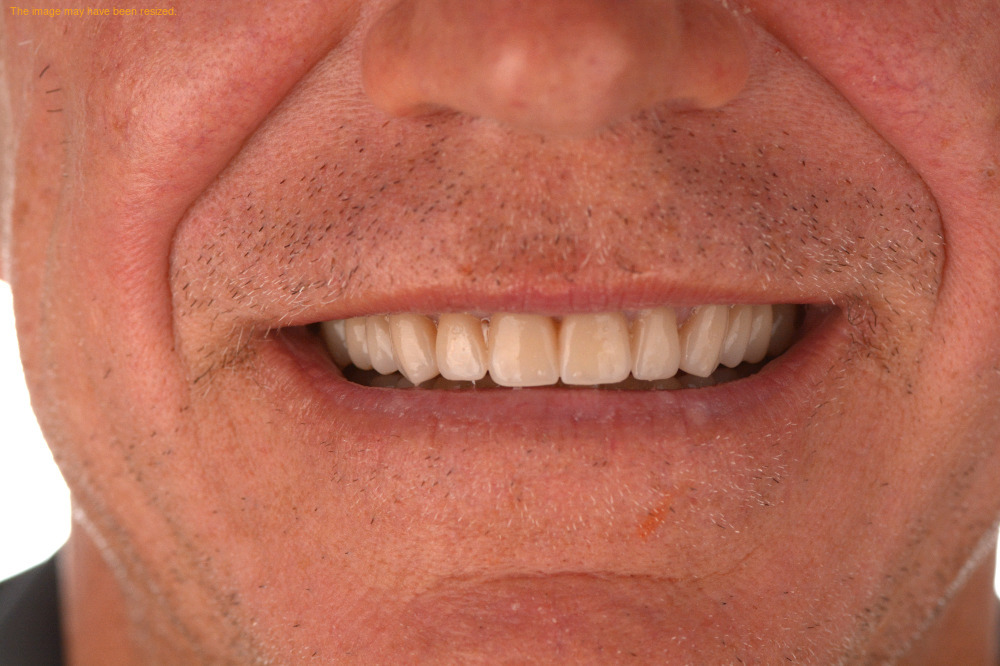
Cosmetic dentistry is a category, not a procedure. Which treatment is right depends on what is actually wrong with the tooth. And the least invasive option that solves it is always the one Dr. Pan recommends first.
Here is the thing most patients are never told: “cosmetic dentist” is not a recognized dental specialty. There is no cosmetic dentistry residency, no board, and no credential behind the phrase. Any licensed dentist can put it on a sign, whether they took a weekend veneer course or have been doing aesthetic work for twenty years.
Prosthodontics is a recognized specialty, one of twelve recognized by the American Dental Association, and it is the one that covers cosmetic work. A prosthodontist completes dental school plus three additional years of full-time residency in restoring and replacing teeth: shade and contour, materials, bite, and the treatment planning that ties them together. Dr. Pan did hers at UCSF.
None of which means a general dentist cannot do beautiful cosmetic work; many do. It means the title alone tells you nothing, so look at the training and the before-and-afters instead. Our page on prosthodontist vs. cosmetic dentist compares the two directly, and what a prosthodontist does covers the scope of the specialty.
Patients usually arrive asking for a specific procedure, almost always veneers, because that is the word the internet gives them. Roughly half the time something simpler gets them what they actually want, for less money and less tooth.
A cosmetic plan starts with your face, not your teeth. Dr. Pan photographs and scans the smile, then works from the outside in: where the upper teeth sit when you speak and laugh, how the edges follow the lower lip, where the midline falls against your face, how much gum shows. Those relationships are what make a smile read as natural. Color is the last decision, not the first.
The sequence matters as much as the design. Whitening comes before anything permanent, because porcelain and composite do not bleach, shade the new work to teeth you plan to whiten later and it will never match. Bite problems and active decay are handled before aesthetics. Any tooth that needs a crown gets a crown rather than a veneer.
You see the result before it is permanent. Dr. Pan uses a digital design and, in larger cases, a trial smile you can look at, live with, and react to. Changes are cheap at that stage and expensive after the porcelain is made, which is the whole point of doing it in that order.
Much of the lab work happens in our in-office lab, so the person who designed your smile also controls its shape, shade, and finish. If you want to see how the process runs end to end, read how a prosthodontist plans a smile makeover.
Cost tracks the amount of tooth involved and the number of teeth in the plan, which is why no honest practice publishes one figure. Whitening is the entry point. Bonding a single chip is modest. A veneer or an all-ceramic crown is a per-tooth investment, and a full smile makeover across the visible teeth is a different order of expense again.
Insurance is straightforward here: purely cosmetic treatment is generally not covered, while the same procedure done to restore a broken, decayed, or worn tooth often is. A lot of what patients call cosmetic is genuinely restorative, and we bill it accurately rather than conservatively. Bring your plan details to the consultation and we will tell you which side of the line your case falls on.
You leave the consultation with an itemized written plan, every tooth, every step, every fee, before anything is booked. See financing and payment options for how patients phase or finance larger cases.
Well-made porcelain veneers and crowns last ten to twenty years; composite bonding is nearer five to seven before it needs refreshing. What separates the top of those ranges from the bottom is almost never the porcelain. It is grinding, an unprotected bite, and stain at the margins.
If you clench or grind, a night guard is part of the treatment, not an upsell, see teeth grinding. Coffee, red wine, and tobacco stain the natural tooth beside a veneer faster than the veneer itself, which is what makes an old case look mismatched. Regular hygiene visits keep the margins clean and catch a chip while it is still repairable.
Dr. Pan also takes on cosmetic work done elsewhere that has failed, discoloured, or never matched in the first place. If that is you, bring photographs of how your teeth looked before. It helps more than you would think.
Drag each slider to reveal the transformation.
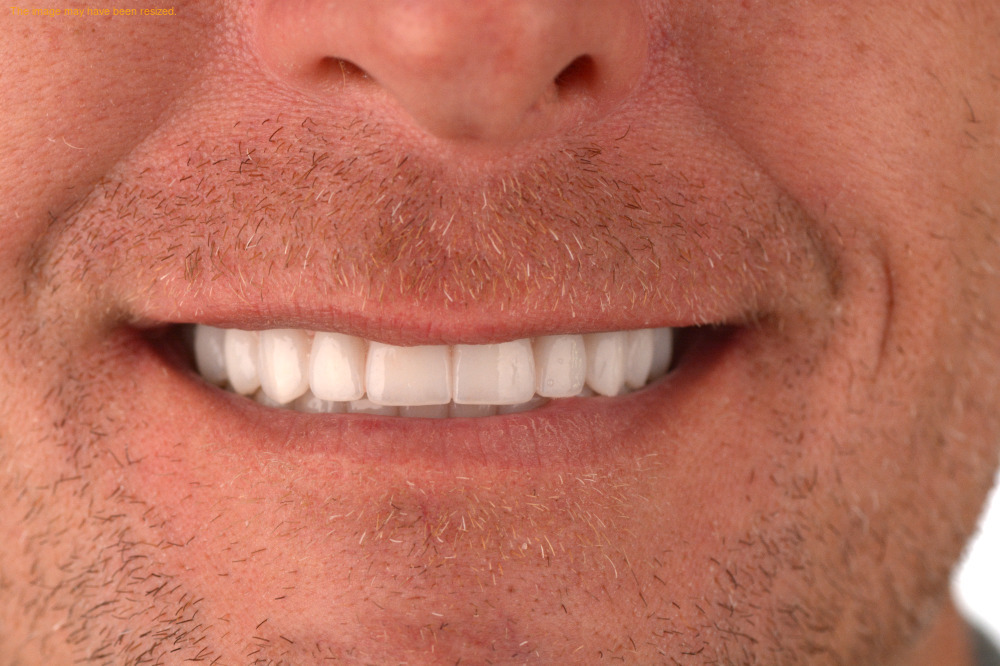
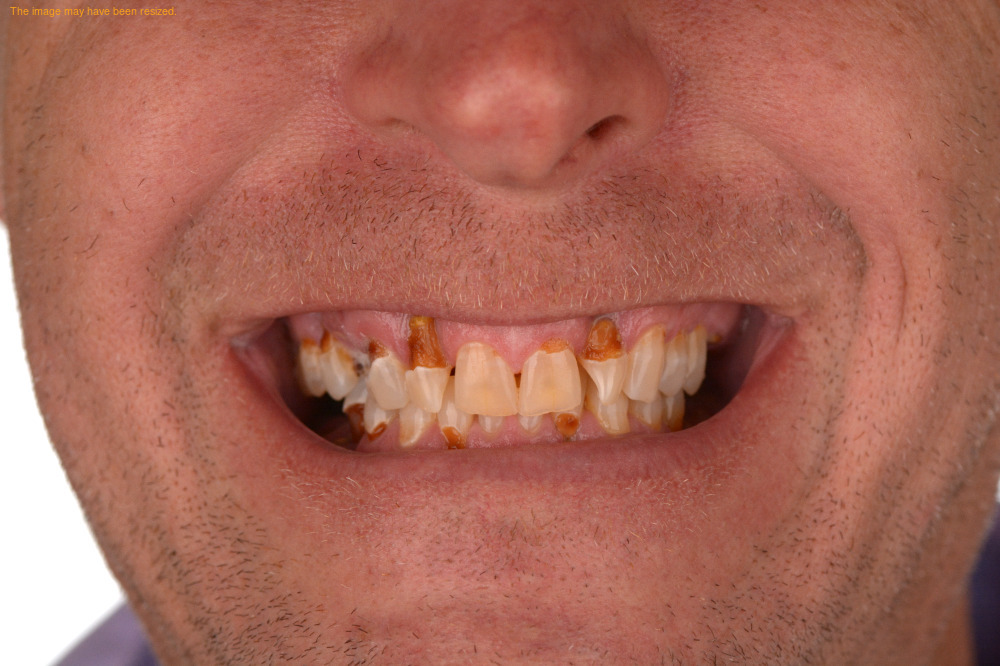
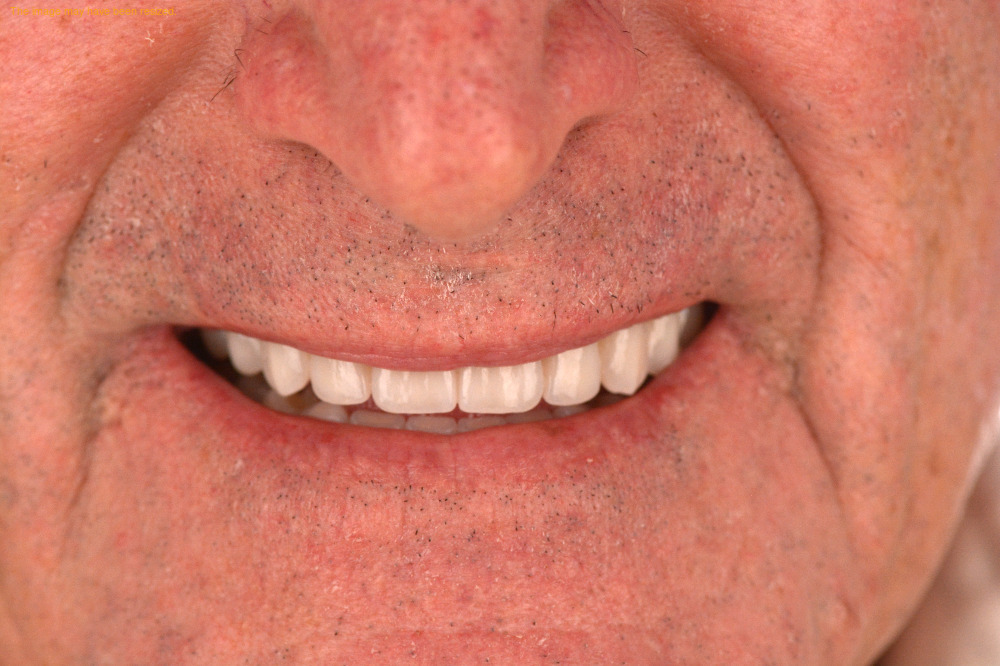
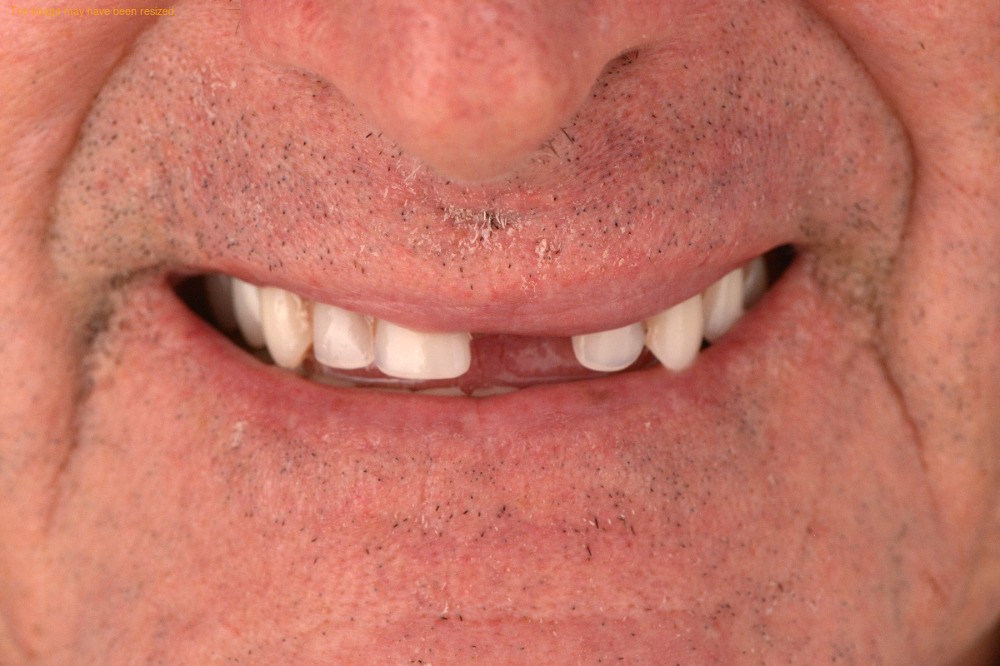
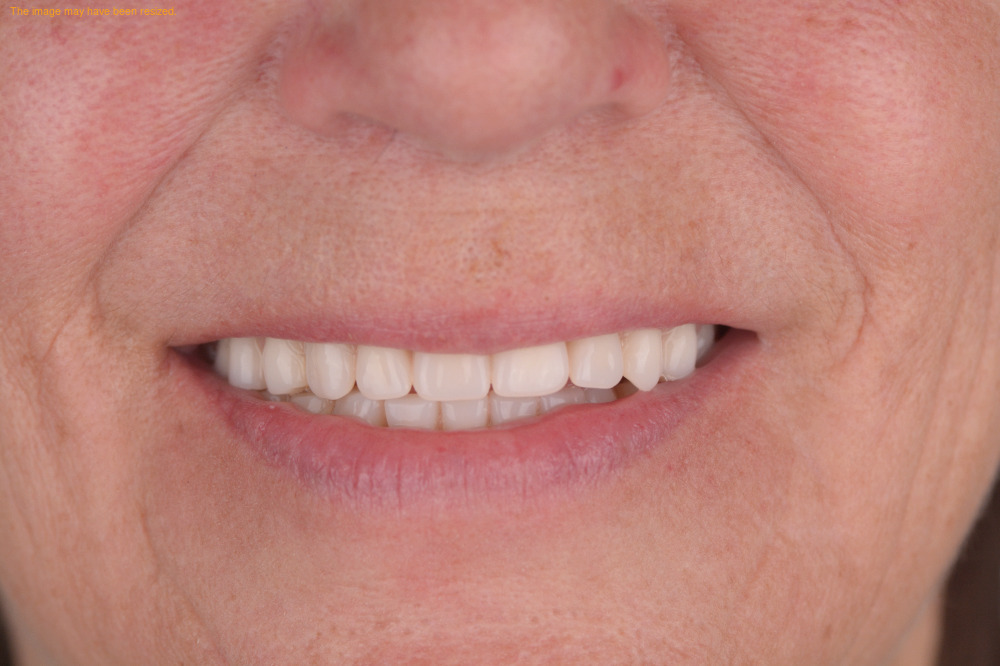
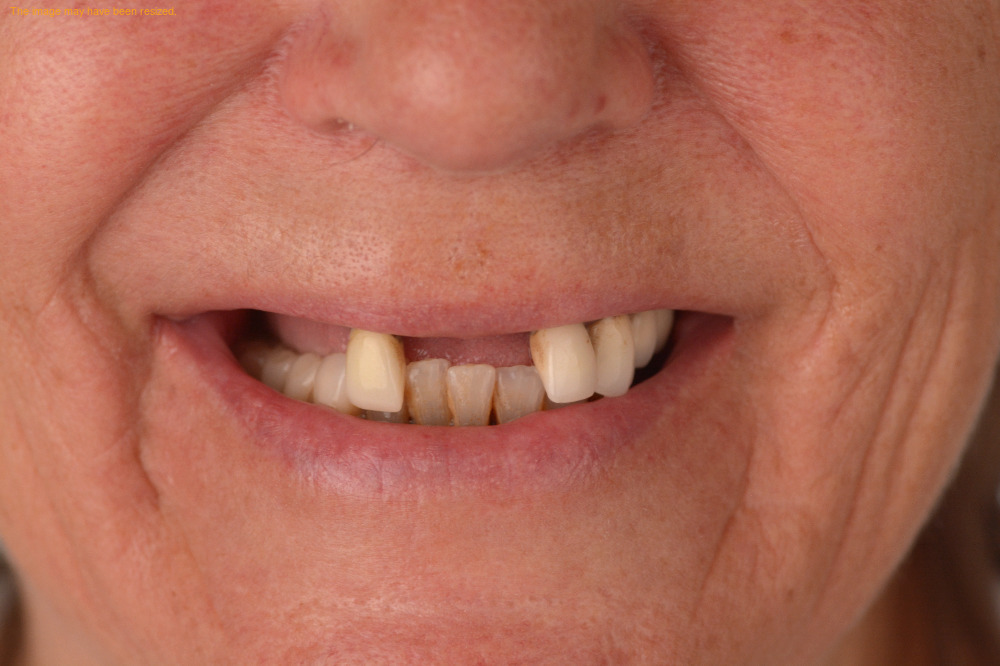
We start with photographs, a scan, and a conversation about what bothers you when you look in the mirror. Dr. Pan designs the smile digitally, shows you the plan before anything is permanent, and sequences treatment so the reversible steps come first.
A full appointment. We photograph and scan your smile, listen to what you want changed, and look at your bite, wear, and gum health honestly before discussing options.
Dr. Pan designs the shape, length, and proportion digitally against your face, then gives you a written, itemized plan with a sequence and timeline.
You see the design, and in larger cases wear a trial smile, before anything permanent is made. Changes happen here, while they are still easy.
Final porcelain or composite is fitted, adjusted, and polished until the bite is right and the result looks like teeth rather than dentistry.
Cosmetic dentistry is not a weekend course here. It is the specialty. Dr. Pan spent three years at UCSF training in exactly this work, designs every case herself, and does much of the lab work in our in-office lab, which is why her veneers and crowns sit beside natural teeth without announcing themselves. She will also tell you plainly when whitening or a single bonded repair would get you what you want, instead of selling you ten veneers.
Schedule a Consultation
Professional solutions for stubborn stains that whitening can't fix.
Learn More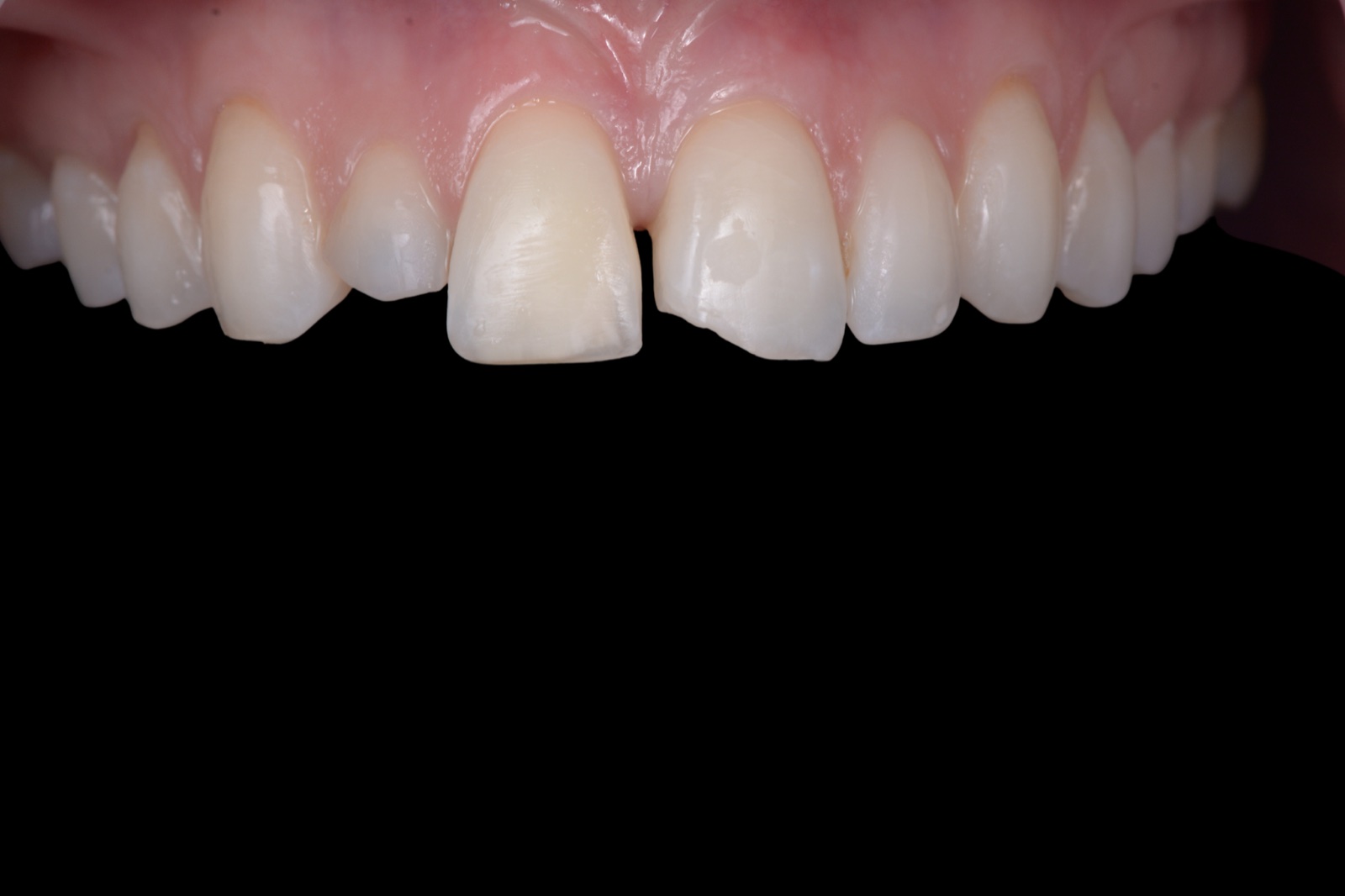
Quick, lasting repairs for chipped and damaged teeth.
Learn More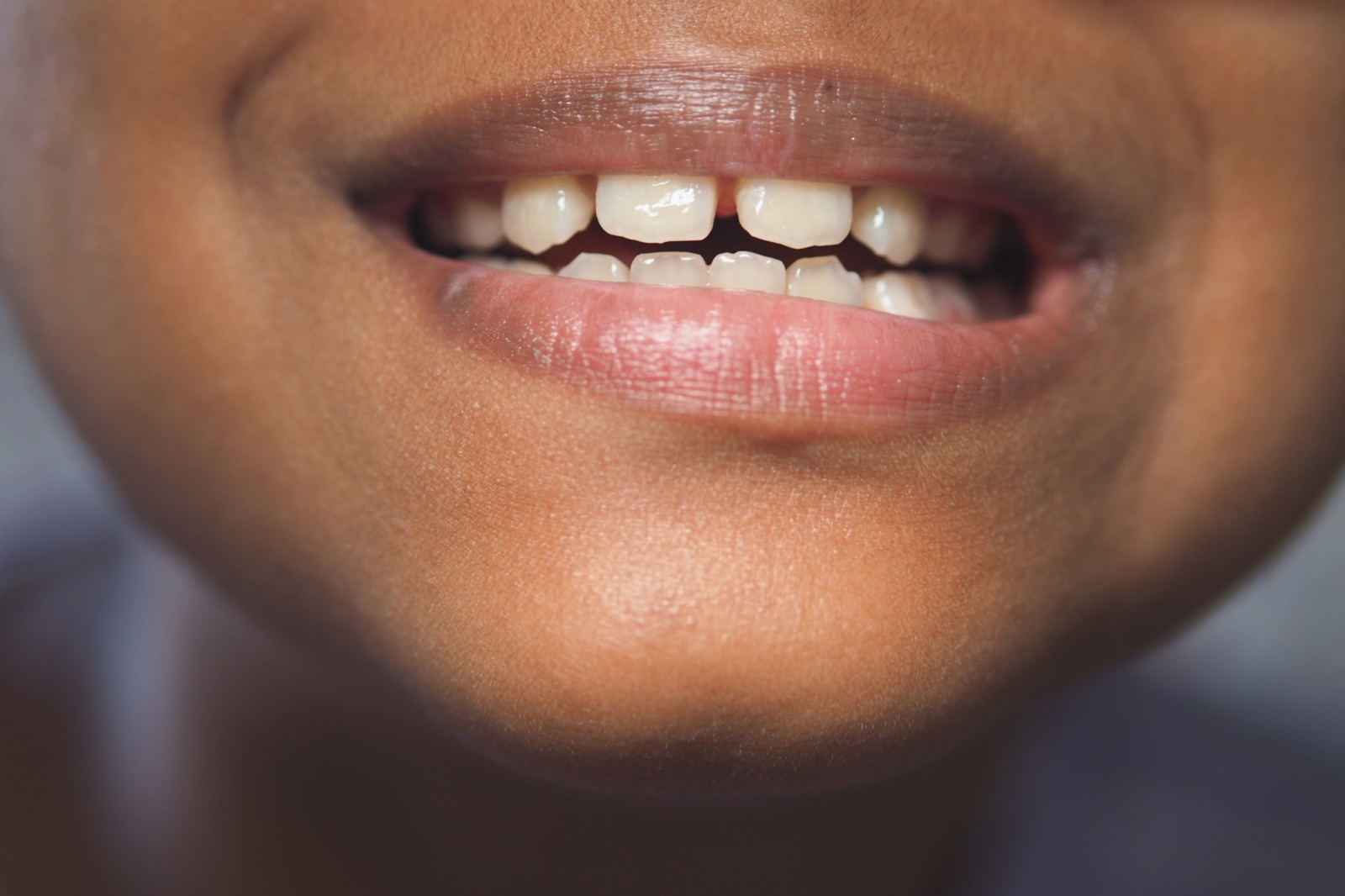
Solutions for spaces between teeth, no braces needed.
Learn More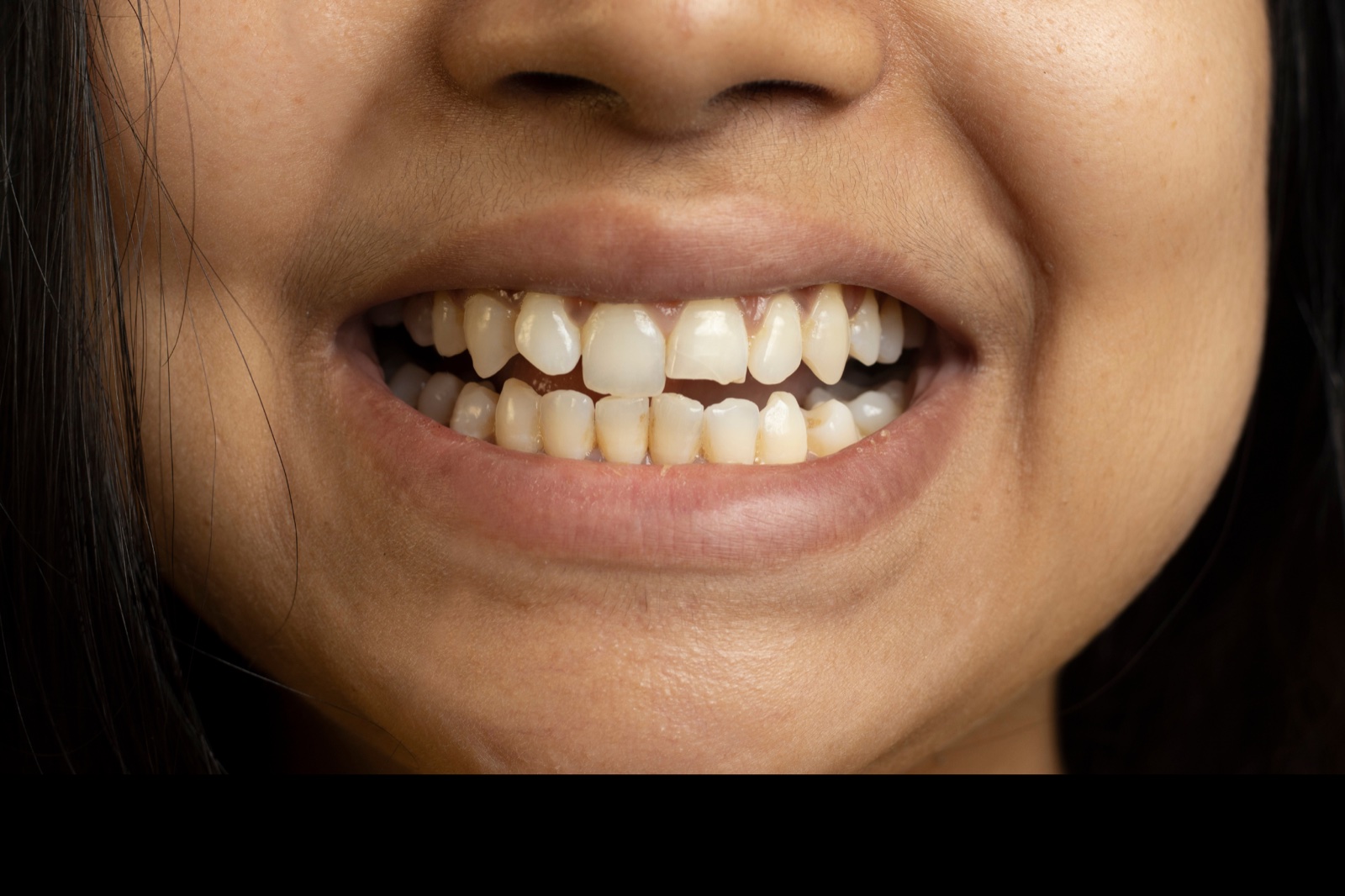
Cosmetic solutions to create a balanced, symmetrical smile.
Learn More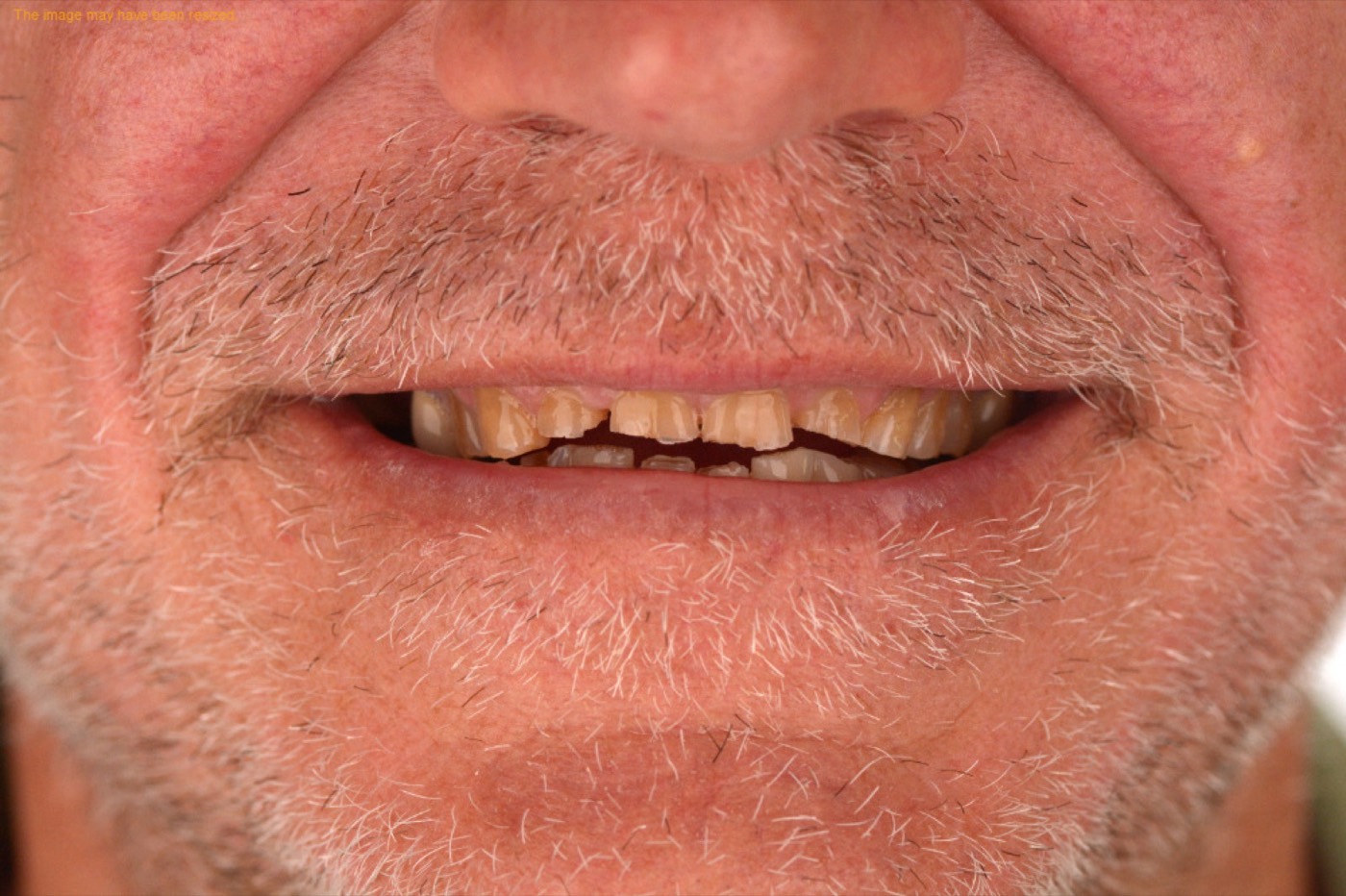
Grinding, acid erosion, and age wear down teeth. Dr. Pan rebuilds them.
Learn More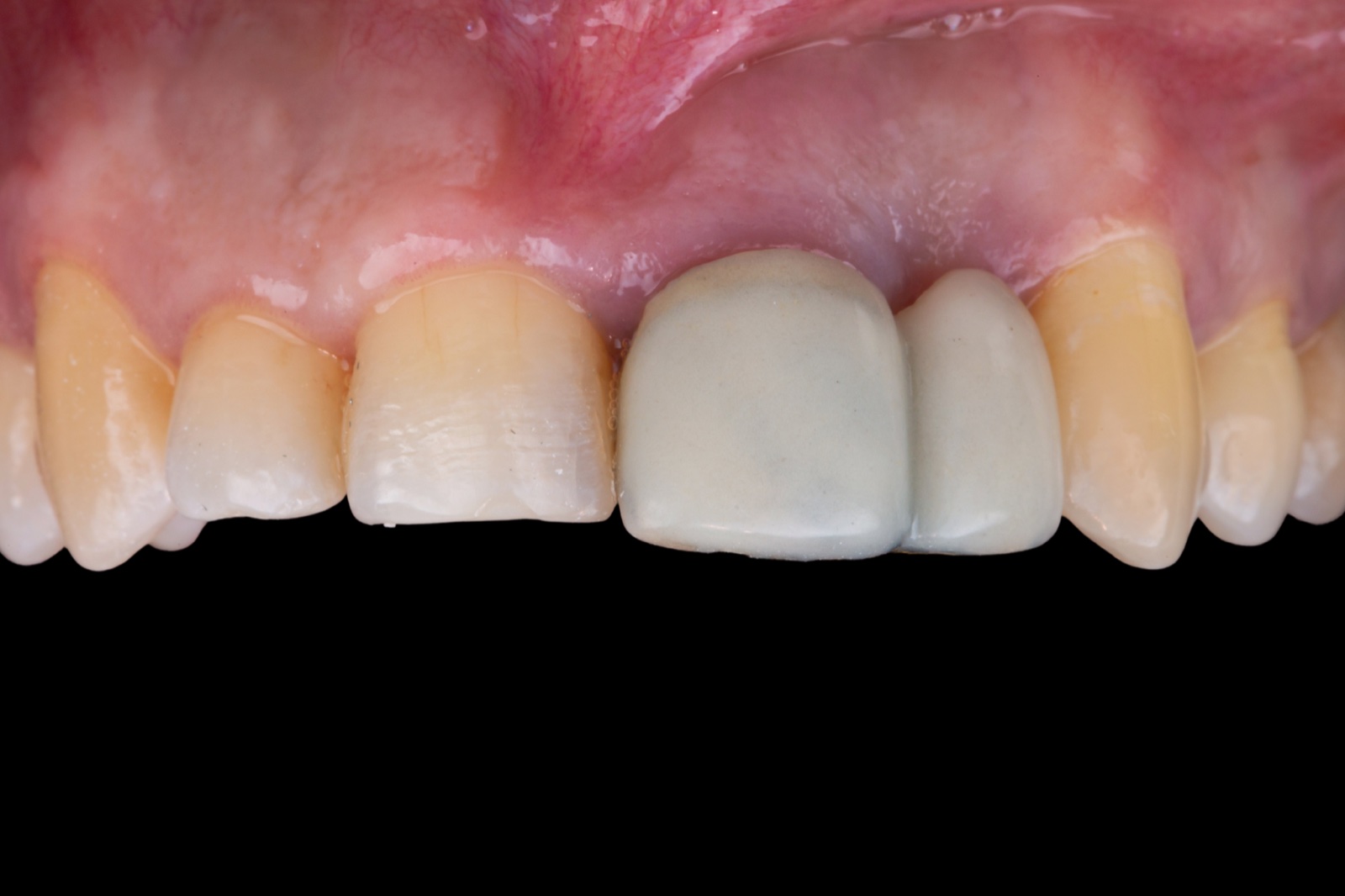
When crowns fall off, implants fail, or old work breaks down, Dr. Pan rebuilds it properly.
Learn More“Dr. Pan and her staff were absolutely wonderful. After a new crown and veneer on my two front teeth, a whitening treatment, and bleaching, my teeth have never looked better. She fully reconstructed my smile and made it better than I ever could've imagined. I will forever be thankful!”
“Dr. Pan has been transformative in correcting several of my longstanding dental issues. I was most sensitive about my two front teeth. Her planning and attention to detail have resulted in the best smile I have had in nearly 30 years.”
“Dr. Pan worked with me to make my vision for my smile become a reality. All my questions and concerns were considered and thoroughly answered before and during the process. The staff were so nice, friendly and a total pleasure to be around.”
Patients travel to our Oleander Drive office from across southeastern North Carolina and the South Carolina border. Cosmetic Dentistry is available to every community we serve: