
Dental bonding and tooth-colored, metal-free fillings that blend seamlessly with your teeth.
Dental bonding, also called a composite restoration, is tooth-colored resin sculpted directly onto a tooth to repair decay, a chip, a worn edge, or a small gap. It is shaped, hardened, and polished in a single visit, with no lab work and no second appointment.
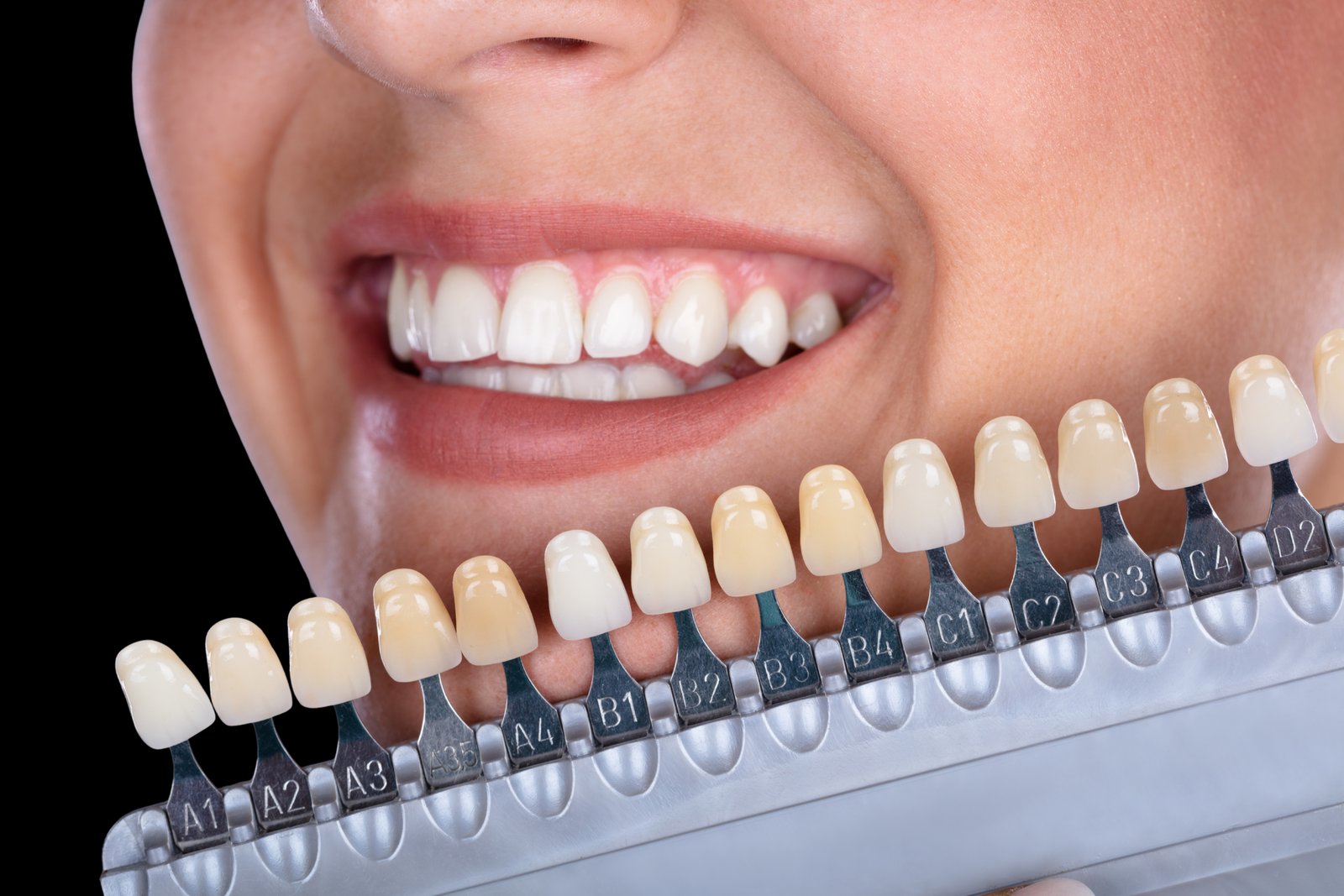
The material is matched to the shade of your existing teeth, so the repair blends in and no dark metal shows. Because it bonds to the tooth surface, very little healthy structure has to be removed, which is what makes it the most conservative option in cosmetic dentistry.
Bonding is not always the right answer. It stains over time where porcelain does not, and it will not carry the load on a heavily broken tooth. For a chipped front corner or a narrow gap it is often the better choice; for a whole tooth changing shape and color, see porcelain veneers or a crown. Our comparison of dental bonding vs. veneers walks through where the line falls.
Drag each slider to reveal the transformation.
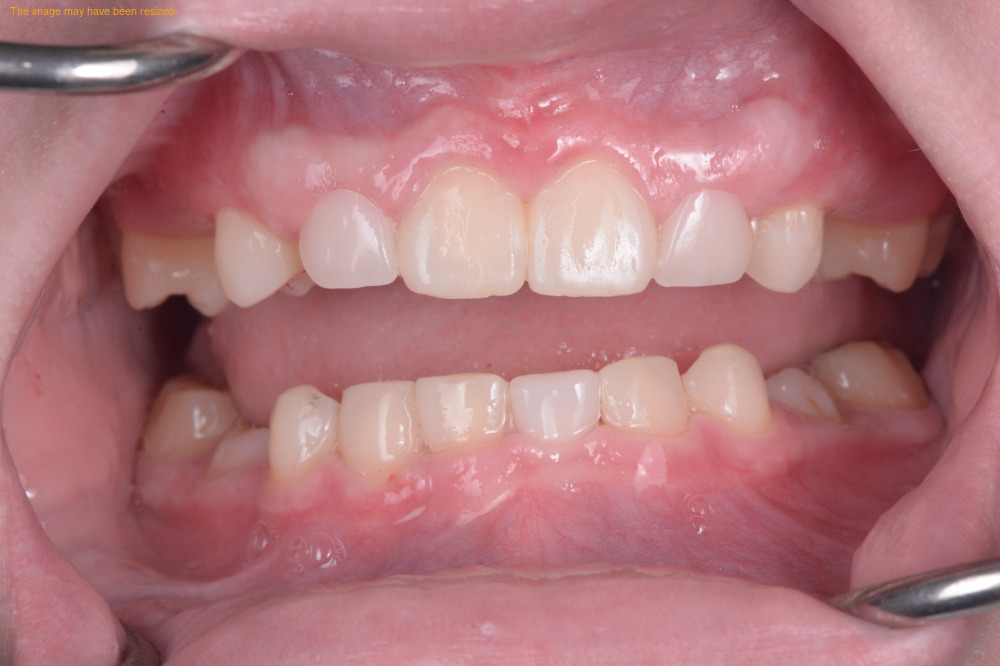
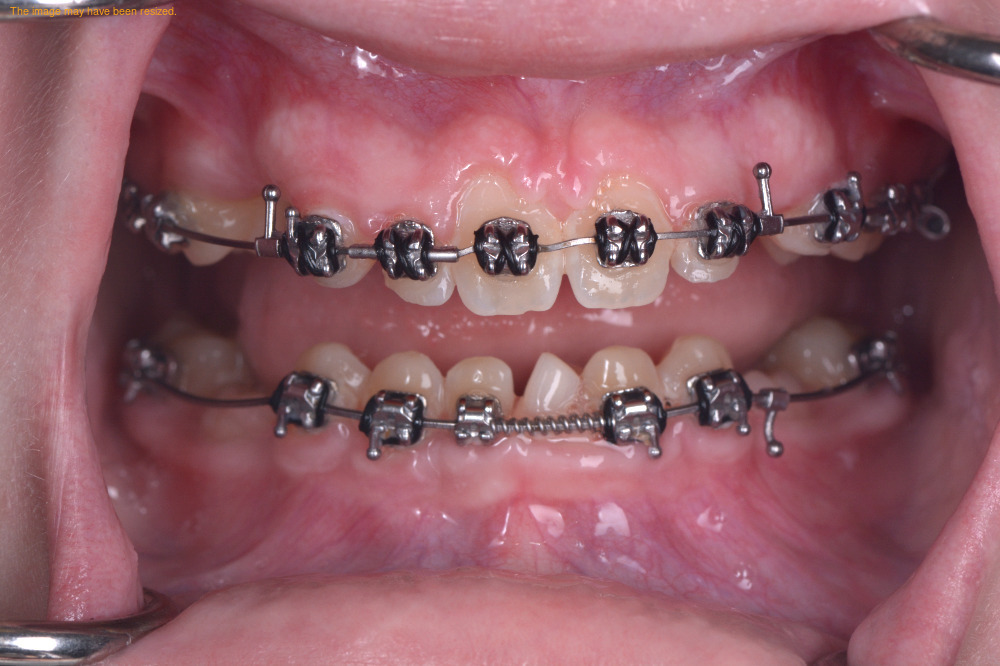
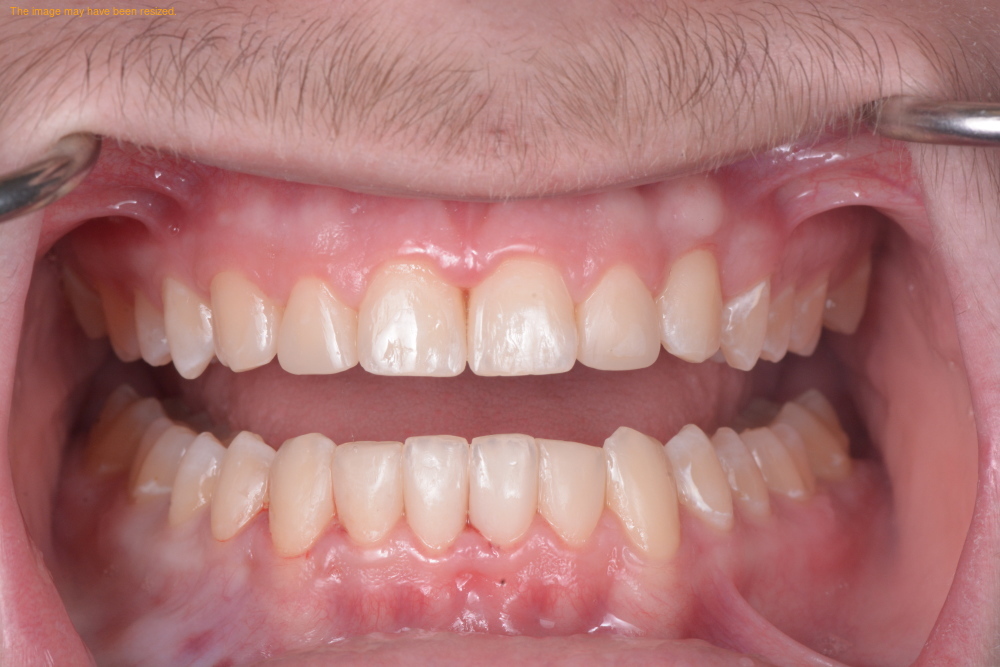
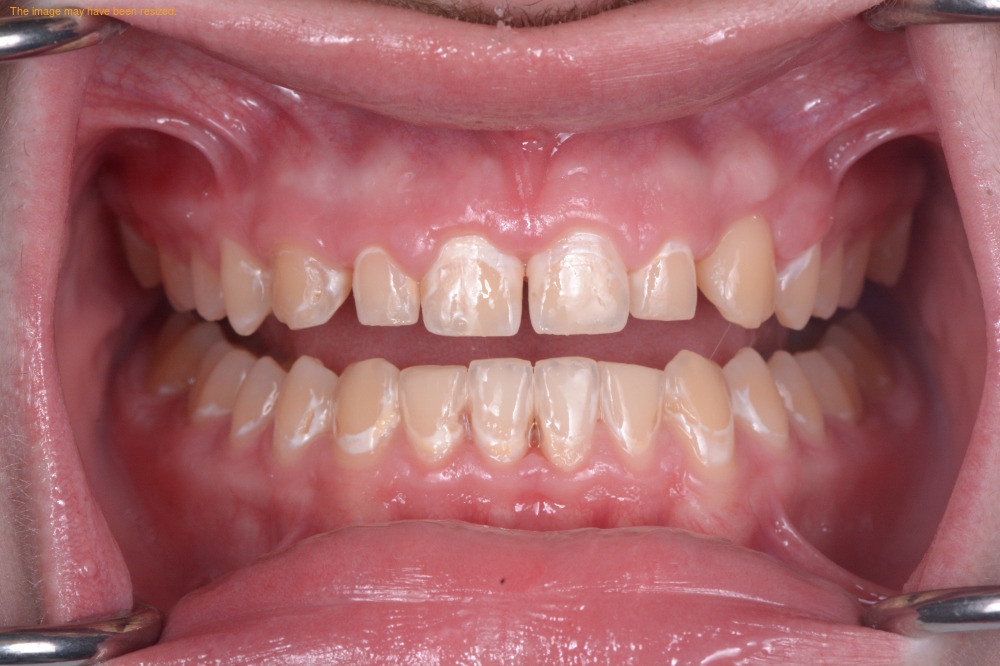
We remove any decay or damaged areas, clean the tooth, and place a tooth-colored composite material that is shaped and polished to match your natural tooth.
We examine your teeth and determine if a composite restoration is the best option for repairing damage or decay.
The damaged or decayed portion of the tooth is gently removed, and the area is cleaned.
A tooth-colored material is placed, shaped, and hardened to restore strength and appearance.
Your tooth is restored to a natural look and function, blending seamlessly with your smile.
We focus on restoring teeth in a way that looks natural and feels comfortable. Every restoration is carefully matched to your smile so it blends in beautifully and functions properly.
Schedule a ConsultationPatients travel to our Oleander Drive office from across southeastern North Carolina and the South Carolina border. Composite Restorations is available to every community we serve: