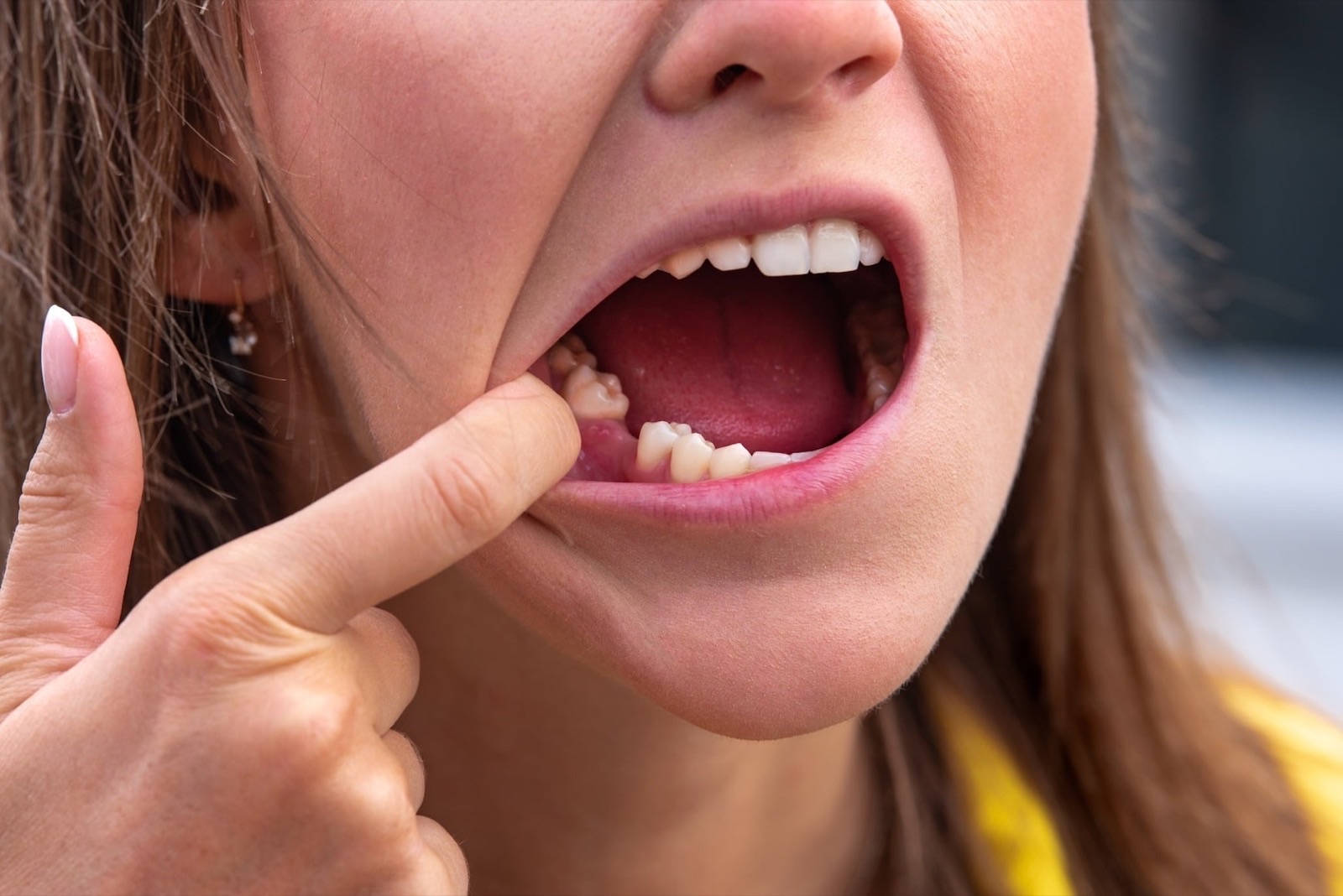
Replacing a Single Front Tooth: The Hardest Case in Dentistry
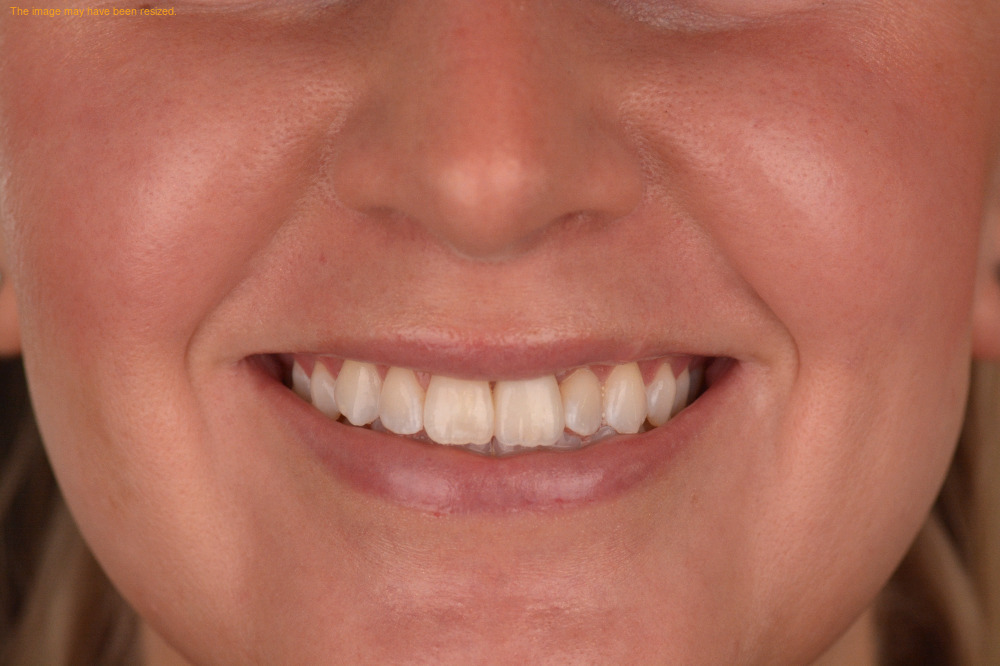
Ask restorative dentists which case they find hardest and a surprising number will say the same thing: one upper front tooth, next to a natural one, in someone with a high smile line.
It sounds like it should be simpler than replacing a whole arch. It is not, and the reason is straightforward. When every tooth is being replaced, the restorations only have to match each other. A single front tooth has to match something real, sitting directly beside it, in the most visible place in the face — under every lighting condition, from every angle, for the rest of your life. There is no margin for approximation.
Why It Is Difficult
You cannot fake the neighbor
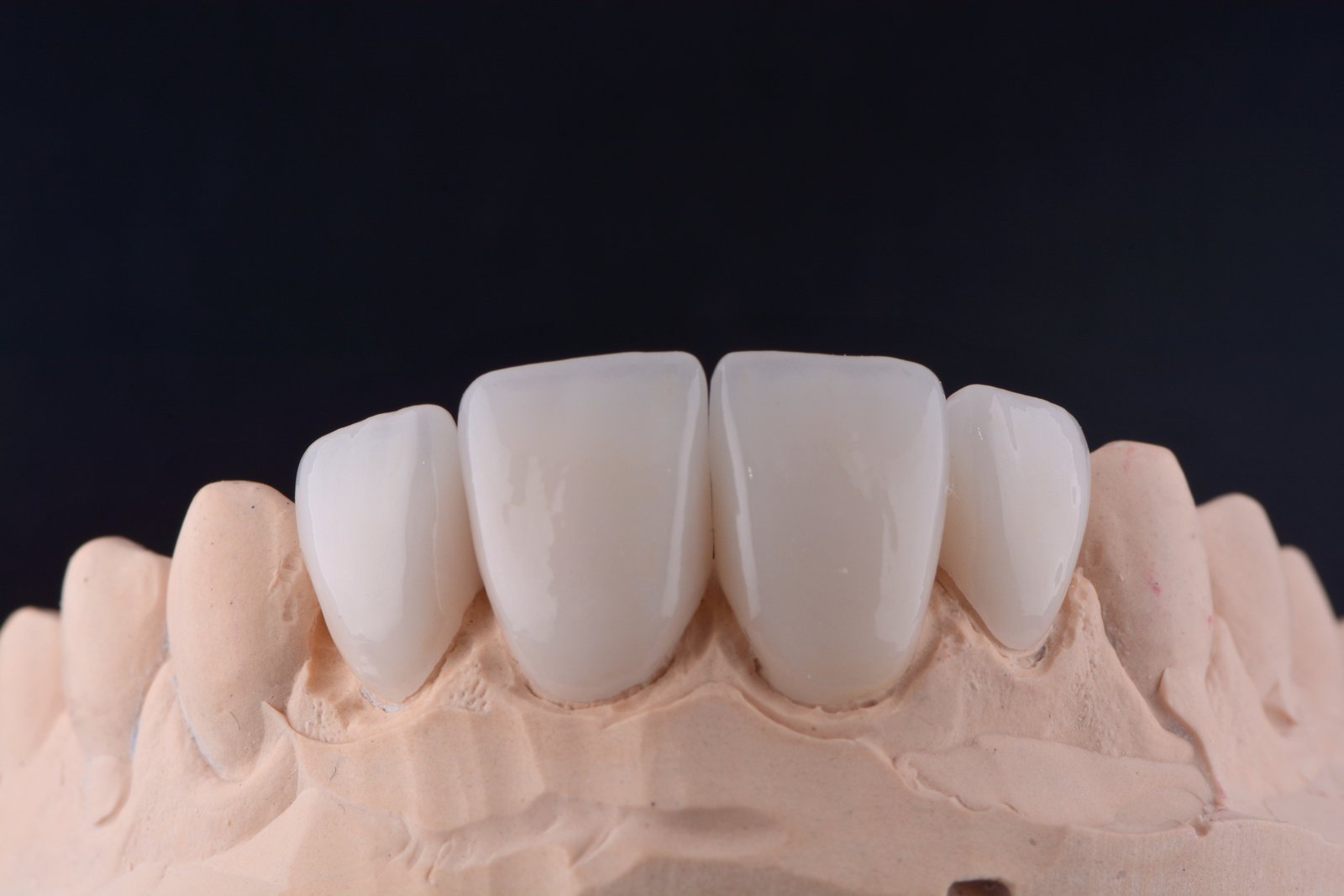
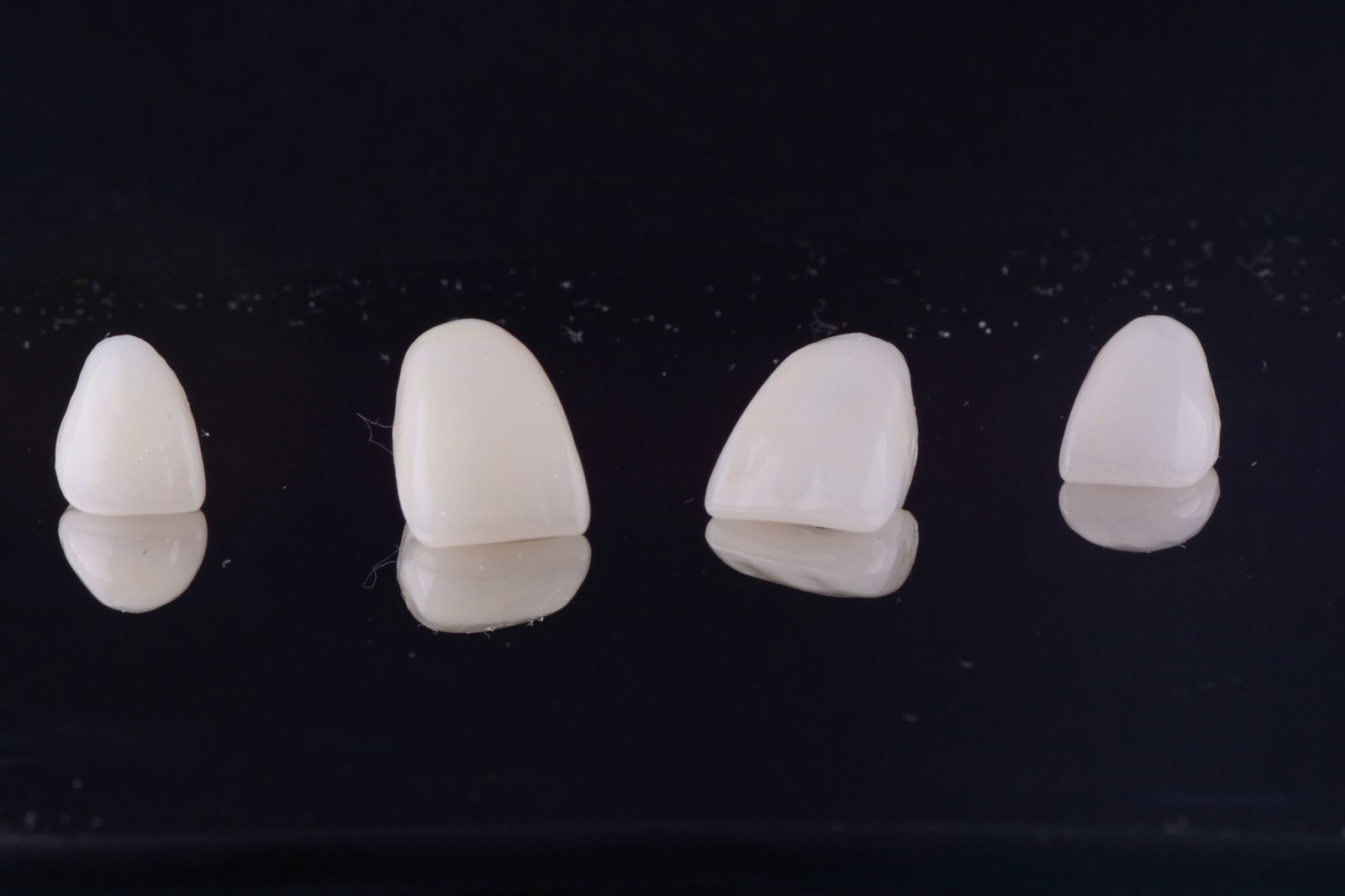
A natural incisor has internal color variation, translucency at the edge, surface texture, and a specific way of handling light. The replacement has to reproduce all of it, and the comparison is available to anyone looking at your face. Half a shade off is visible. So is the wrong amount of translucency, even when the color is right.
The gum is half the result
This is the part patients rarely anticipate. A replacement tooth that is beautifully made but framed by gum tissue sitting a millimeter higher than the tooth beside it will read as wrong, because the two teeth now appear to be different lengths. The small triangle of gum between two front teeth — the papilla — is particularly unforgiving. If it is lost, a dark triangular gap appears, and it is difficult to rebuild.
Whether that tissue survives depends heavily on the bone underneath, which depends on how the tooth was removed and what was done at the time.
Bone disappears after extraction
Once a tooth is out, the bone that supported it begins to resorb. The loss is most pronounced on the outer face — exactly where it matters for the appearance of a front tooth — and much of it happens in the first months. A site left to heal on its own for a year often has visibly less bone contour than it did the week the tooth came out.
This is why the decision made at the moment of extraction matters so much, and why "we will figure out the replacement later" is a more consequential choice than it sounds.
Front teeth are not passive
Upper front teeth guide the jaw as it moves side to side and forward. A replacement that ignores that guidance takes forces it was not designed for. In someone who grinds, this is a common reason front-tooth work fails.
The Options
Dental implant
A titanium post placed in the bone, restored with a crown. It replaces the tooth without involving the neighbors at all, and it maintains bone in a way no other option does.
It is usually the best long-term answer for a single front tooth, and it is also the option with the most demanding requirements. It needs adequate bone volume, correct three-dimensional positioning — too far forward and the gum recedes and shows metal, too deep or too shallow and the emergence looks wrong — and healing time. Grafting is frequently needed, either at extraction or before placement.
Total timeline from extraction to final crown is commonly several months, sometimes longer. That waiting is not inefficiency; it is what allows bone and tissue to be built and stabilized before something permanent is fitted to them.
Fixed bridge
A three-unit bridge crowns the teeth either side of the gap and suspends a replacement tooth between them. It is faster than an implant — typically a few weeks — and it does not depend on bone volume at the site.
The cost is the neighbors. Both adjacent teeth are prepared for crowns, which means removing sound tooth structure from two healthy teeth to replace one missing one. If those teeth already have large fillings or crowns, that cost is low and a bridge can be an excellent choice. If they are pristine, it is a significant thing to weigh.
A bridge also does not preserve bone under the gap, so the ridge continues to resorb underneath it over the years, which can eventually show as a gap beneath the replacement tooth.
Bonded (Maryland) bridge
An underrated option for front teeth. A replacement tooth is attached by a thin wing bonded to the back surface of one adjacent tooth, with little or no preparation of that tooth.
Modern versions in zirconia, bonded to a single neighbor rather than two, perform considerably better than the older metal-winged designs, and they preserve almost all of the adjacent tooth structure. They are especially valuable for younger patients whose jaws are still growing — implants cannot be placed until growth is complete, and a bonded bridge holds the space with almost no biological cost in the meantime.
The limitation is that they can debond and need re-bonding, and they are less suited to heavy bites and to patients who grind.
Removable partial denture
A single-tooth removable appliance. It is the least expensive and the fastest, and for most people it is a transitional solution rather than a destination — it is bulkier than the alternatives, it moves slightly, and it does not preserve bone.
It has a legitimate role as an interim during implant healing, or where cost or medical circumstances rule the other options out. It should be presented as a choice on its merits, not as a consolation.
The Decision Point Most People Miss
If the tooth has not been removed yet, this is the most important paragraph here.
What happens at the extraction appointment shapes every option afterward. A careful, atraumatic extraction that preserves the thin outer plate of bone, combined with a graft placed into the socket at the same visit, dramatically improves what is possible later. In selected cases an implant can be placed at the same appointment, which preserves the tissue architecture better than anything done afterward can restore it.
The opposite path — a rushed extraction, no graft, and a plan to "look at options in a few months" — often means a graft becomes necessary later, adding time, cost, and a result that is harder to make look natural.
If a front tooth is scheduled to come out, it is worth having the replacement plan settled before that appointment rather than after it.
What Good Looks Like
A well-executed single front tooth replacement should be unremarkable. The crown matches its neighbor in color, translucency, and surface texture. It emerges from the gum at the same height as the tooth beside it. The papilla between them fills the space with no dark triangle. It looks right in daylight and in photographs with flash, which is where mismatches usually reveal themselves.
Getting there usually involves photographs sent to the ceramist, a provisional crown worn long enough to shape the gum tissue into the right contour before the final crown is made, and a try-in where the crown is assessed in good light before it is cemented. On the hardest cases, some clinicians arrange for the patient to see the ceramist in person, because a technician can perceive things directly that no photograph carries.
Reasonable Questions to Ask
- Is there enough bone for an implant, or will grafting be needed?
- What condition are the adjacent teeth in — does that argue for or against a bridge?
- How high is my smile line, and how much gum shows when I smile?
- What is being done to shape the gum before the final crown is made?
- How will the shade be matched, and will I see it before it is cemented?
- If the tooth is not out yet: what is being done at extraction to preserve the site?
Getting It Planned Properly
This is a case where the specialty training is relevant rather than decorative. Prosthodontists spend three years after dental school on the replacement of missing teeth and the appearance of restorations, and the single anterior tooth is the case that training is most directly aimed at.
Dr. Pan sees patients in Wilmington for single-tooth replacement, including situations where a front tooth has failed and the replacement has to be planned from a compromised site. Every new patient gets a full 1.5 hours. Read more about dental implants and bridges, or see finished cases in the smile gallery.
Frequently Asked Questions
What is the best way to replace a single front tooth?
Why is one front tooth harder to replace than several?
What happens to the bone after a front tooth is extracted?
What is a Maryland bridge and is it any good?
How long does it take to replace a front tooth with an implant?
Questions about your own smile?
Dr. Pan is a board-eligible prosthodontist in Wilmington, NC with three years of advanced training beyond dental school. Every new patient gets a full 1.5 hours — no rushing, no assembly line.